SIGNATURE INSIGHTS

Strategic perspectives on real estate, markets and modern living

RSS

The Art Of Launching With Intentions

Selling a home isn’t just about listing it on the market—it’s about launching it with intention. In today’s competitive real estate landscape, the way a property is introduced can make all the difference between lingering on the market and attracting multiple qualified buyers. The Art of Launching With Intention explores how planning, presentation, and strategic marketing combine to create a launch that generates attention, engagement, and results.

Start with a Clear Goal

Every successful home launch begins with a clear objective. Are you aiming to attract serious buyers quickly, generate multiple offers, or position the property as a premium listing? Knowing your goals guides every decision, from staging and pricing to marketing channels and open house strategies.

Defining measurable outcomes is also key. For example, tracking inquiries, showings, and offer activity helps you evaluate whether your launch strategy is working and allows you to make adjustments in real time. A goal-oriented approach ensures that every step of your launch is purposeful, not just reactive.

Plan Strategically

An intentional home launch requires strategic planning. This includes identifying the ideal buyer demographic, crafting a compelling listing description, and determining the best timing for exposure. Every element of your marketing plan should highlight the property’s unique selling points—from natural light and functional layouts to modern upgrades and neighborhood amenities.

Timing is critical in real estate. Launching a listing when buyer demand is high, or coordinating it with local market trends, can generate increased interest and potentially multiple offers. A well-thought-out timeline also ensures that pre-launch preparations like photography, staging, and inspections are completed seamlessly.

Build Anticipation

Creating anticipation is one of the most powerful tools in a home launch. Pre-marketing strategies—such as teaser posts on social media, email alerts to buyer lists, and sneak-peek photos or videos—can spark curiosity before the home officially hits the market.

Storytelling is an effective way to engage potential buyers. Highlight what makes the property unique: morning sunlight in the kitchen, spacious entertaining areas, or proximity to parks and schools. By helping buyers imagine themselves living in the space, you build an emotional connection that motivates action.

Execute with Precision

On launch day, every detail counts. Professional photography, virtual tours, and a polished listing description create a first impression that draws buyers in. Ensure that the property is presented at its absolute best—clean, staged, and ready to show.

Consistency across all marketing channels is essential. From online listings and social media posts to email campaigns and open house signage, your messaging should be cohesive, professional, and aligned with the property’s value. Responding promptly to inquiries and scheduling showings efficiently also demonstrates professionalism and keeps buyer interest high.

Monitor and Adjust

An intentional launch doesn’t stop at listing. Monitor interest, track feedback from showings, and adjust strategies if needed. Perhaps new photos are required, pricing needs a minor adjustment, or a fresh marketing push could reignite interest. Being attentive and responsive maximizes the property’s exposure and increases the likelihood of a successful sale.

Conclusion

Launching a home with intention is about more than putting a sign in the yard—it’s a strategic, thoughtful process that combines goal-setting, planning, anticipation, and precision execution. By approaching a home launch as a carefully crafted experience, sellers can attract the right buyers, create emotional engagement, and achieve results faster and more efficiently.

In real estate, intention matters. A well-planned launch positions a property to stand out, generate attention, and ultimately secure the best possible outcome for sellers.

Read

The Art Of Marketing Your Home For Impact

Selling a home today is about more than just listing it online or putting a sign in the yard. To truly capture attention and generate interest, your home needs a marketing strategy that is intentional, visually compelling, and targeted. The Art of Marketing Your Home for Impact explores how professional presentation, strategic outreach, and thoughtful storytelling can transform a listing into a must-see property.

Presentation: Showcasing Your Home at Its Best

First impressions matter—whether online or in person. Presentation is the foundation of impactful marketing. This starts with professional photography that highlights the home’s best features: natural light, functional layouts, and unique architectural details. Videos, virtual tours, and even drone shots can provide buyers with an immersive experience that sets your listing apart.

Staging is another key element. A well-staged home allows buyers to envision themselves living there. Neutral tones, uncluttered spaces, and strategic furniture placement create a welcoming environment that resonates with a wide audience. Even small touches—fresh flowers, tasteful decor, and well-lit spaces—can elevate a home from ordinary to unforgettable.

Strategic Outreach: Reaching the Right Buyers

Marketing a home effectively is not just about visibility—it’s about reaching the right people. Targeted outreach ensures your property appears in front of serious buyers who are most likely to act. This can include email campaigns, social media advertising, and listing optimization on real estate platforms. Each channel plays a role in connecting with buyers where they are most active.

Understanding the local market is critical. Identifying which neighborhoods, demographics, and buyer types are most interested in your property allows your marketing to be both precise and persuasive. By leveraging data-driven strategies, sellers can position their homes to appeal to the right audience at the right time.

Storytelling: Creating Emotional Connection

At the heart of impactful marketing is storytelling. Buyers don’t just buy homes—they buy lifestyles. Marketing should highlight not just the features of a property, but the experiences it offers. Descriptions and visuals should paint a picture of life in the home: morning coffee in a sunlit kitchen, evenings spent on a cozy patio, or family gatherings in a spacious living area.

Storytelling also extends to online content and social media. Posts that combine images, videos, and narratives about the home create engagement and emotional resonance. The goal is for buyers to imagine themselves living there, forming a personal connection before they even step inside.

Timing and Market Positioning

Effective marketing also considers timing and positioning. Launching a listing strategically can generate more interest and even competition among buyers. Market trends, seasonal demand, and local events all play a role in maximizing exposure. Positioning your home competitively and highlighting its unique advantages helps it stand out in a crowded marketplace.

Working with an experienced real estate professional can further amplify results. Realtors bring expertise in pricing, presentation, and marketing channels that are proven to attract attention. Their guidance ensures your marketing plan is cohesive, professional, and impactful from start to finish.

Conclusion

Marketing a home for impact requires more than photos and a listing—it’s a combination of strategy, creativity, and market knowledge. By focusing on professional presentation, targeted outreach, compelling storytelling, and strategic timing, sellers can elevate their property above the competition and capture the attention of the right buyers.

In today’s market, a home that is marketed effectively doesn’t just attract viewers—it leaves a lasting impression, creates emotional connection, and drives meaningful results. The art of marketing a home lies in the details, the strategy, and the ability to tell a story that buyers can see themselves living.

Read

The Art Of Winning A Buyer’s Attention

In a competitive market, capturing buyer attention takes more than a listing. This blog explores how presentation, pricing, and positioning work together to create interest, emotional connection, and results. Selling a home isn’t just about putting a sign in the yard or posting photos online—it’s about creating an experience that makes potential buyers stop, engage, and envision themselves living in the space.

Presentation: First Impressions Matter

The first step in winning a buyer’s attention is presentation. A well-presented property speaks volumes before a buyer even steps inside. Curb appeal, clean and organized interiors, and professional photography are essential. Buyers make quick judgments, often in seconds, so ensuring that a home looks inviting, functional, and move-in ready is critical.

Staging is another powerful tool in presentation. Thoughtful furniture placement, neutral color palettes, and decluttered spaces allow buyers to imagine their own life in the home. Even small touches—like fresh flowers or strategically placed lighting—can elevate a space and make it memorable.

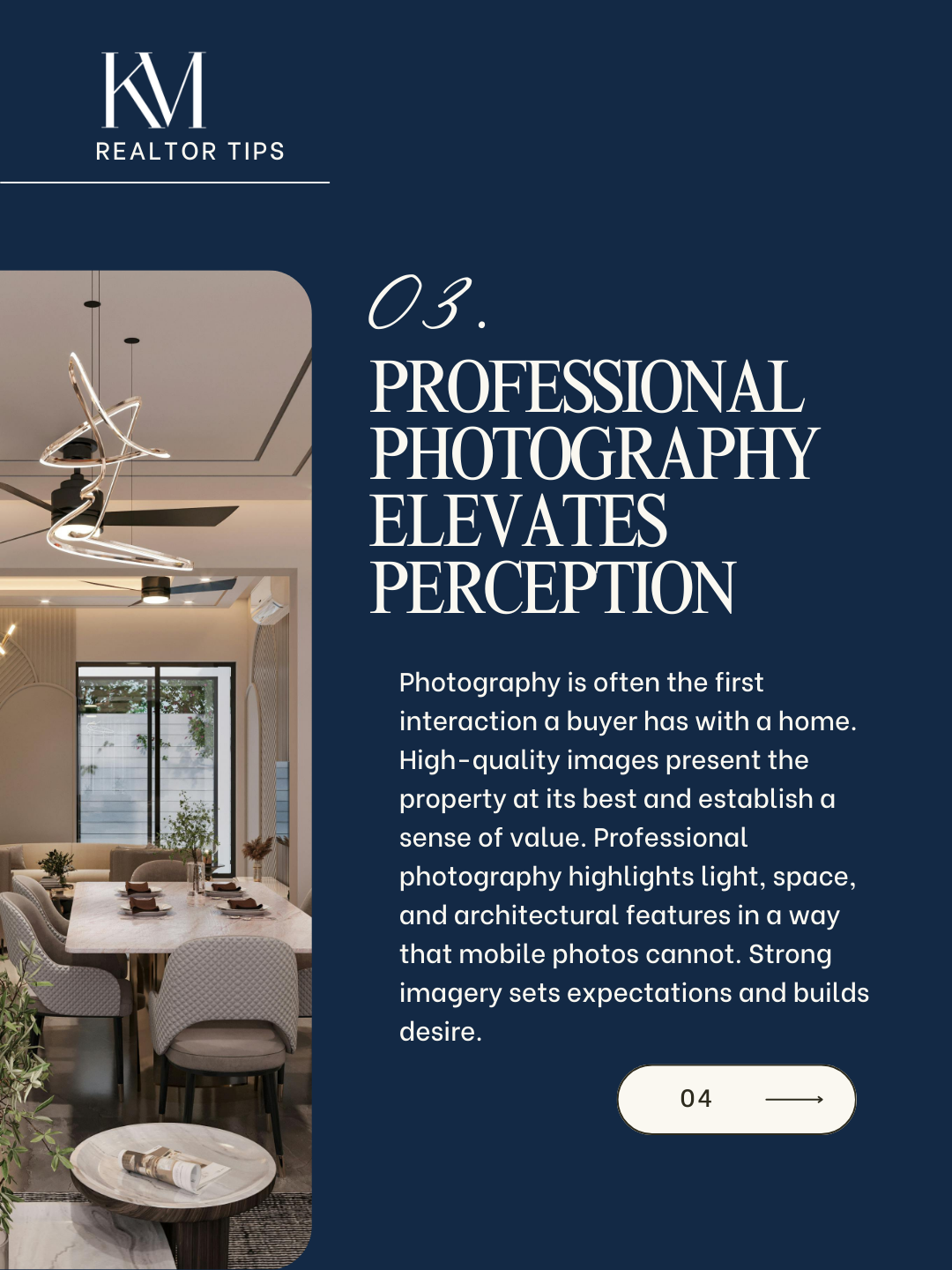
Professional photography and videography are equally important. In today’s digital world, most buyers first encounter a home online. High-quality images, virtual tours, and short video walkthroughs can capture attention and create the desire to visit in person. This is where first impressions meet lasting impact.

Pricing: Position Your Home for Maximum Interest

Presentation may attract attention, but pricing keeps it. A home priced appropriately for its market signals value and generates genuine interest. Overpricing can deter buyers, leaving a property stagnant on the market, while underpricing can create unnecessary financial loss and raise questions about the property’s condition.

A strategic pricing approach considers not just comparable sales, but market trends, buyer demand, and timing. Sometimes, slightly underpricing a property can create competition and multiple offers, which ultimately drives the best results. Transparency in pricing also builds trust with buyers and positions the property as a serious, competitive option.

Positioning: Stand Out in a Crowded Market

Beyond presentation and pricing, positioning your home effectively is key to capturing attention. Positioning is about telling the home’s story in a way that resonates with buyers. What makes this property unique? Is it the location, architectural details, or lifestyle it offers? Highlighting these aspects through listing descriptions, marketing materials, and social media content ensures that buyers understand not just the home itself, but the experience of living there.

Digital marketing plays a vital role in positioning. Targeted ads, social media posts, and search engine optimization help ensure your listing reaches the right buyers at the right time. Email campaigns and virtual tours provide additional touchpoints for engagement, making your property more visible and top-of-mind.

Additionally, working with an experienced real estate professional can elevate positioning. Realtors bring market insight, negotiation skills, and access to networks that ensure your property is presented to buyers strategically, not just widely.

Creating Emotional Connection

Ultimately, winning a buyer’s attention is about creating an emotional connection. Buyers don’t just purchase properties—they invest in lifestyles and memories. When presentation, pricing, and positioning are thoughtfully aligned, buyers are more likely to envision themselves in the home, creating a sense of desire and urgency.

Small details make a big difference. Natural light, open spaces, and welcoming layouts evoke comfort and warmth. Descriptive marketing copy that highlights the experience of living in the home—morning coffee on the patio, dinners in the bright kitchen, family time in the cozy living room—helps buyers emotionally invest in the space before even stepping inside.

Conclusion

Capturing a buyer’s attention requires more than listing a home—it requires strategy, creativity, and insight into what drives interest. Presentation ensures a strong first impression, pricing positions the property competitively, and marketing and storytelling create a memorable, emotional connection.

By approaching home selling as an art, not just a transaction, sellers can stand out in a crowded market, attract the right buyers, and achieve the best results. In today’s real estate landscape, attention is earned, and a strategic approach ensures your property is seen, remembered, and ultimately chosen.

Read

The Art Of Making a Strong First Impression

In real estate, first impressions aren’t just important—they’re everything. Long before contracts are signed or keys are handed over, buyers and sellers are forming opinions. Within moments of walking into a home, visiting an open house, or meeting their agent for the first time, clients begin deciding whether they feel confident, comfortable, and understood.

In a market where trust and relationships drive success, mastering the art of a strong first impression can make all the difference.

First Impressions Start Before the Showing

In today’s digital world, a first impression often happens online. A property’s listing photos, description, and overall presentation set expectations before a buyer ever steps through the door. Professional photography, thoughtful staging, and a compelling listing narrative don’t just showcase a home—they tell its story.

The same goes for personal branding. A well-designed website, polished marketing materials, and consistent communication signal professionalism and attention to detail. Clients want to know they’re working with someone who is organized, proactive, and invested in excellence from the very beginning.

The Power of Preparation

When it comes to in-person interactions, preparation speaks volumes. Arriving early to a showing, ensuring the home is well-lit and welcoming, and having detailed knowledge about the property immediately builds credibility.
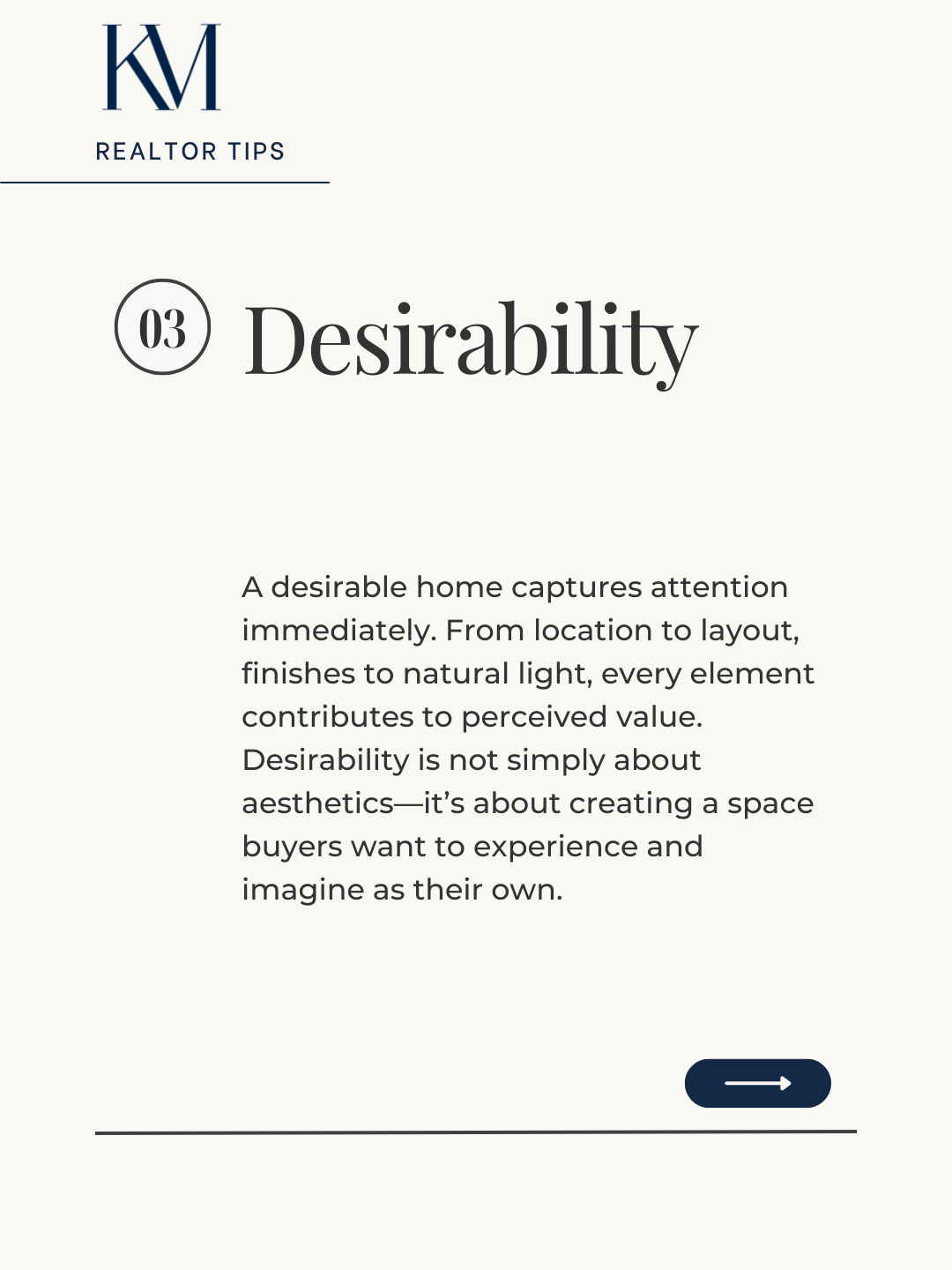
Buyers and sellers feel reassured when their agent anticipates questions and provides clear, confident answers. Preparation shows respect—for the client’s time, for the property, and for the process. It communicates, without saying a word, “You’re in capable hands.”

Body Language and Presence Matter

Real estate is deeply personal. Buying or selling a home is often tied to major life transitions—marriage, growing families, downsizing, career changes. Clients need to feel both supported and understood.

Simple nonverbal cues can make a lasting impact. A warm smile, steady eye contact, and an open posture help create immediate connection. Active listening—nodding, maintaining engagement, and responding thoughtfully—shows clients that their goals and concerns are genuinely being heard.

Confidence is equally important. Clients look to their agent for guidance. A calm, assured presence during negotiations or high-pressure situations helps instill trust and reduces anxiety. Confidence doesn’t mean being pushy; it means being steady, informed, and solutions-focused.

Creating a Memorable Property Experience

For sellers, the first impression buyers have of their home can significantly influence offers. That’s why details matter.

Curb appeal sets the tone before buyers even step inside. A tidy lawn, fresh landscaping, clean walkways, and a welcoming entryway can dramatically shape perception. Inside, decluttered spaces, neutral décor, and subtle touches—like soft lighting or fresh flowers—create an inviting atmosphere.

Buyers aren’t just evaluating square footage; they’re imagining their future. A well-presented home allows them to emotionally connect. That emotional connection often drives stronger offers and faster decisions.

Authenticity Builds Lasting Trust

While presentation and polish are essential, authenticity is what truly sets an agent apart. Clients can sense sincerity. Being genuine, transparent, and honest fosters long-term relationships that extend far beyond a single transaction.
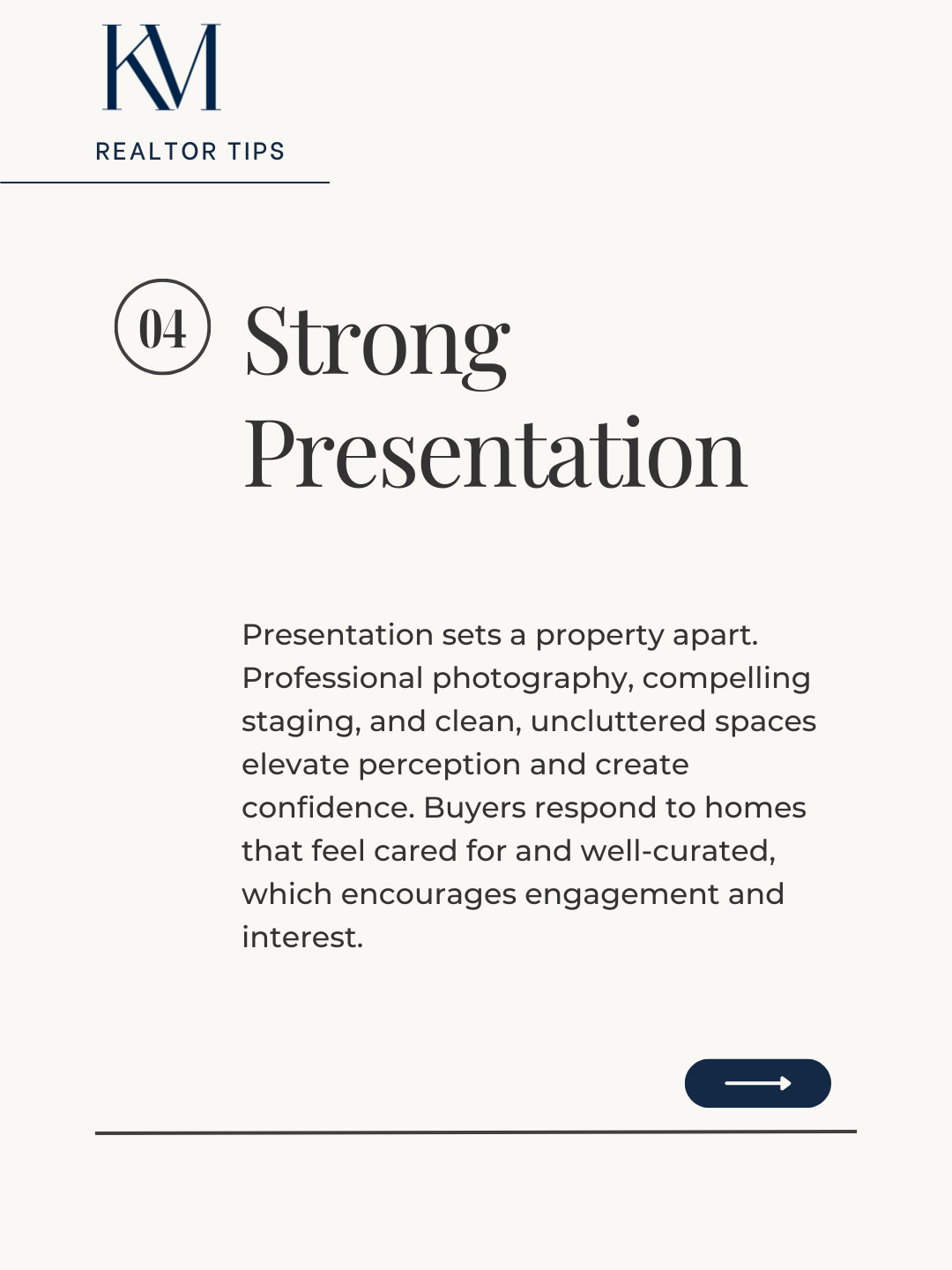
In real estate, reputation travels quickly. A strong first impression built on authenticity leads to referrals, repeat business, and a trusted name within the community. When clients feel valued rather than “sold to,” they become advocates.

Communication Is Key

Timely responses, clear explanations, and proactive updates reinforce a positive first impression throughout the transaction. Real estate can feel overwhelming, especially for first-time buyers or sellers. Breaking down complex steps into manageable pieces helps clients feel informed and empowered.

Professionalism in communication—whether through email, phone calls, or in person—demonstrates reliability. Even small gestures, like following up after a showing or checking in after closing, leave a lasting mark.

The Lasting Impact of a Strong Start

In real estate, you rarely get a second chance to make a first impression. From the initial consultation to the final closing, every interaction shapes how clients perceive their experience.

A strong first impression isn’t about perfection. It’s about preparation, presence, professionalism, and authenticity. It’s about creating an experience where clients feel confident in their decisions and supported at every step.

When done thoughtfully, that first impression becomes the foundation for lasting relationships—and in real estate, relationships are everything.

Read

I have sold a property at 1302 1302 55 Ann O'Reilly Road in Toronto

I have sold a property at 1302 1302 55 Ann O'Reilly Road in Toronto on Apr 8, 2025. See details here

Spacious 2-Bedroom + Den Condo with Premium Amenities Experience modern living in this bright and spacious 2-bedroom + den condo featuring two fullbathrooms and 9-foot ceilings. Floor-to-ceiling windows provide abundant natural light, while the upgraded kitchen boasts granite counter tops and stainless steel appliances. With 749 sq.ft. of well-designed space and a northeast-facing view, this unit offers both comfort andstyle.Prime Location: Conveniently situated near Don Mills Subway Station and Fairview Mall, witheasy access to Highways 404 & 401.Building Amenities: Enjoy 24-hour concierge service, visitor parking, fitness & yoga studios, a theatre room, library, indoor pool, exercise & Sauna room.Additional Details:? Tenant pays for all utilities? Tenant Must have tenant Insurance? 1 parking space & 1 locker included? Includes: Stainless steel fridge, stove, dishwasher, combination microwave/hood fan, washer &dryer Photos from a previous listings.

Read

Latest Blog Posts

Sotheby’s International Realty Canada Expands into New Brunswick: A New Chapter in Atlantic Canadian Real Estate
Investment & Financial Articles

Sotheby’s International Realty Canada Expands into New Brunswick: A New Chapter in Atlantic Canadian Real Estate

Sotheby’s International Realty Canada expands into New Brunswick, bringing its global reach, elevated marketing, and local expertise ...

READ POST
Resort-Style Living in Vaughan’s Most Exclusive Enclave
Home & Design Inspiration

Resort-Style Living in Vaughan’s Most Exclusive Enclave

Discover a Vaughan estate where modern luxury, golf-course serenity, and thoughtful design converge. This exclusive residence offers ...

READ POST
7 Reasons Why Big White, British Columbia Should Be On Your Radar
Local Area & Lifestyle Features

7 Reasons Why Big White, British Columbia Should Be On Your Radar

Big White, BC, offers world-class skiing, stunning alpine scenery, and year-round outdoor adventure. Discover why this premier resort ...

READ POST
The Art Of The Selling Journey
The Smart Kit

The Art Of The Selling Journey

Selling a home is a process, not just a moment. This blog explores how careful planning, market insight, and strategic decision-making ...

READ POST
This website may only be used by consumers that have a bona fide interest in the purchase, sale, or lease of real estate of the type being offered via the website. The data relating to real estate on this website comes in part from the MLS® Reciprocity program of the PropTx MLS®. The data is deemed reliable but is not guaranteed to be accurate.