SIGNATURE INSIGHTS

Strategic perspectives on real estate, markets and modern living

RSS

The Art Of Protecting Your Investment

The Art Of Protecting Your Investment

Buying a home is often the largest financial commitment most people make in their lifetime. Beyond the excitement of finding the perfect property, there lies an important responsibility: protecting your investment. Safeguarding a home’s value requires careful planning, informed decision-making, and a proactive approach that extends well beyond the closing table.

Start With Smart Acquisition

The foundation of protecting your investment begins with a strategic purchase. Choosing a property in a desirable location, assessing local market trends, and understanding long-term value potential are crucial steps. High-quality construction, functional layouts, and thoughtful design also help ensure the home maintains its appeal and marketability over time.

Additionally, buyers should consider not only their immediate needs but also potential future changes. For example, growing families, lifestyle shifts, or resale considerations can all influence how well a property retains its value. A well-researched acquisition sets the stage for sustainable financial security.

Maintain and Preserve

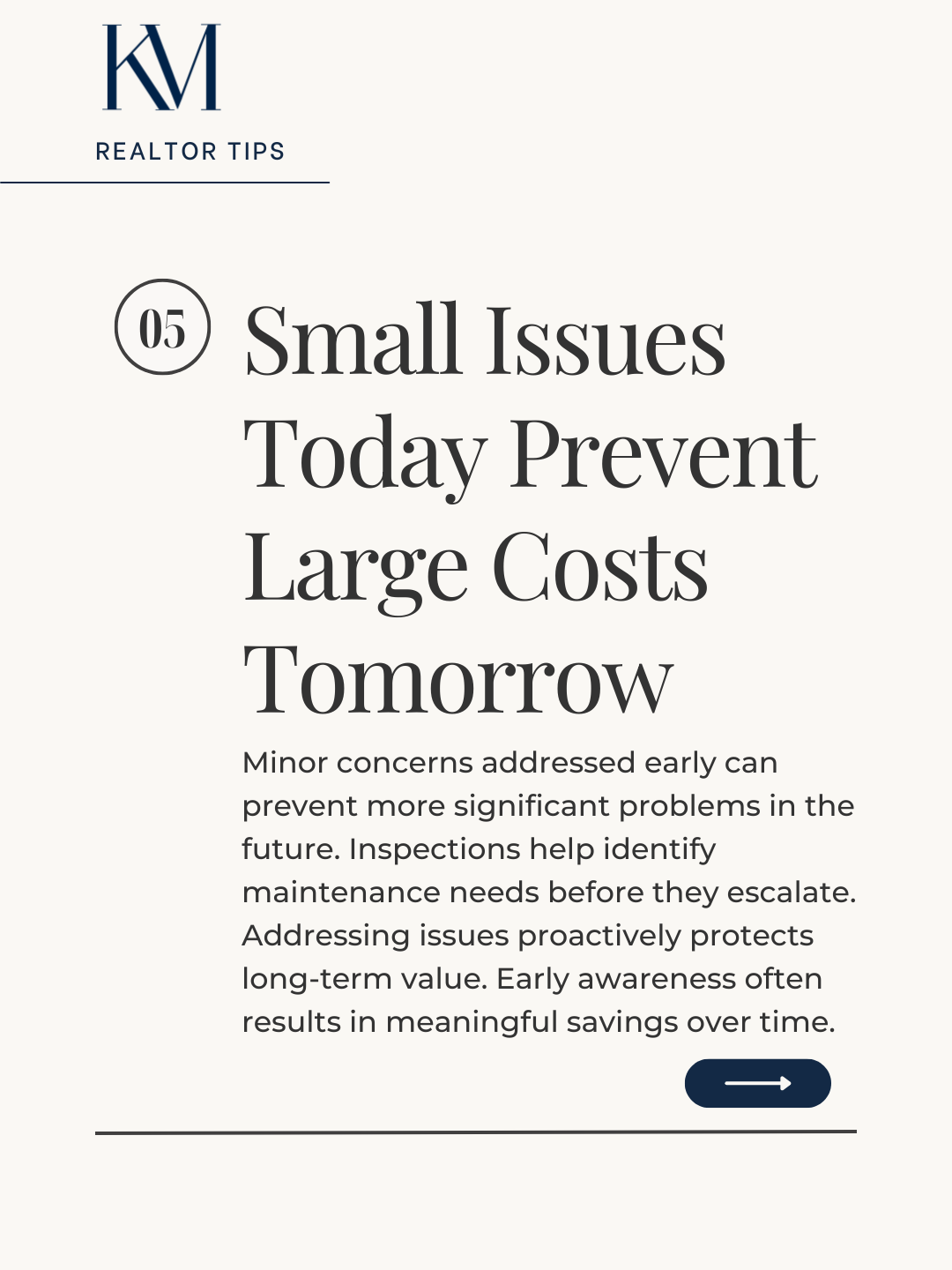
Once purchased, regular maintenance becomes a key factor in protecting your investment. Addressing repairs promptly, keeping systems up to date, and ensuring structural integrity not only preserves the home’s condition but also prevents costly issues down the line.

Simple, consistent practices—such as servicing HVAC systems, cleaning gutters, maintaining roofing, and inspecting plumbing—can dramatically extend the life of a property. Even smaller updates, like painting, landscaping, or modernizing fixtures, help maintain market appeal and prevent depreciation.

Understand Market Cycles

Real estate markets naturally fluctuate, and awareness of these cycles is essential for long-term protection. Staying informed about local trends, inventory levels, and regional demand helps homeowners make strategic choices about timing improvements, refinancing, or potential resale.

Working with a knowledgeable real estate advisor allows homeowners to understand when market conditions favor holding or selling, ensuring that decisions are proactive rather than reactive. This foresight can protect against losses and position a property to capture maximum value.

Financial Planning and Risk Management

Protecting your investment also involves sound financial planning. Adequate insurance coverage, contingency funds, and understanding property taxes or potential assessments all reduce financial vulnerability. Homeowners should also consider strategies such as renovation planning, mortgage optimization, and long-term tax implications to safeguard their equity.

Being prepared for unexpected events—natural disasters, market shifts, or personal circumstances—helps maintain stability and confidence. Thoughtful financial oversight transforms a home from a static purchase into a resilient asset.

Strategic Upgrades and Improvements

Not all investments require significant capital, but selective upgrades can enhance property value and market appeal. Renovations that improve functionality, energy efficiency, or aesthetic quality often provide a strong return while supporting long-term desirability.

The key is to balance personal enjoyment with potential resale value. High-impact improvements—like modern kitchens, updated bathrooms, or smart home technology—can make a meaningful difference without overcapitalizing. Consulting with experts ensures upgrades align with market expectations and deliver measurable results.

Protecting Value Through Professional Guidance

Homeownership is complex, and professional guidance is a cornerstone of protecting any investment. Trusted advisors provide insight on market conditions, property management, risk mitigation, and strategic decision-making. Their expertise ensures that every choice, from maintenance to financial planning, supports the property’s long-term stability.

A proactive partnership with real estate professionals empowers homeowners to navigate challenges confidently and capitalize on opportunities that preserve and enhance value.

A Long-Term Perspective

Ultimately, protecting your investment is about adopting a long-term mindset. It combines careful acquisition, regular maintenance, strategic improvements, market awareness, and financial discipline. When homeowners take this approach, they not only preserve property value but also ensure that their home continues to serve as a source of security, comfort, and wealth for years to come.

Real estate success is not measured solely by purchase price or appreciation—it is measured by foresight, care, and the ability to protect what matters most. By approaching homeownership with diligence and intention, every property can become a lasting, valuable investment.

Read

The Art of Place Over Property

The Art Of Place Over Property

When searching for a home, it is easy to focus on square footage, finishes, and architectural details. While these elements certainly matter, experienced buyers understand that true satisfaction often comes from something far less tangible — the place itself. The neighbourhood, the lifestyle it supports, and the sense of belonging it creates frequently outweigh the features of the property alone.

In real estate, choosing the right place is not just about where you live today. It is about how your environment shapes your daily life for years to come.

Beyond the Front Door

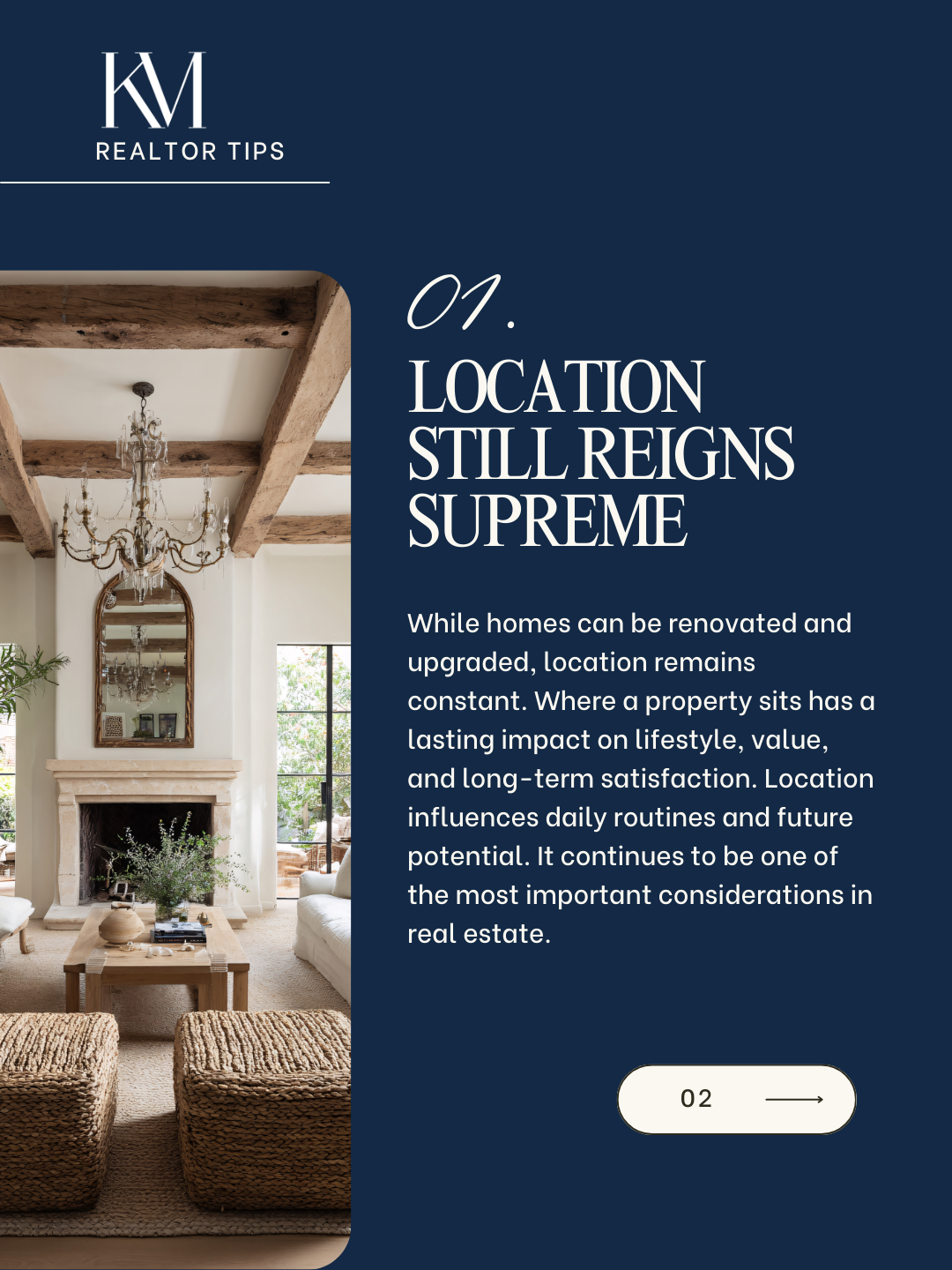
A home does not exist in isolation. Step outside, and you are immediately connected to the rhythm of the surrounding community — the nearby cafés, parks, schools, walking paths, and local conveniences that influence how effortlessly life unfolds.

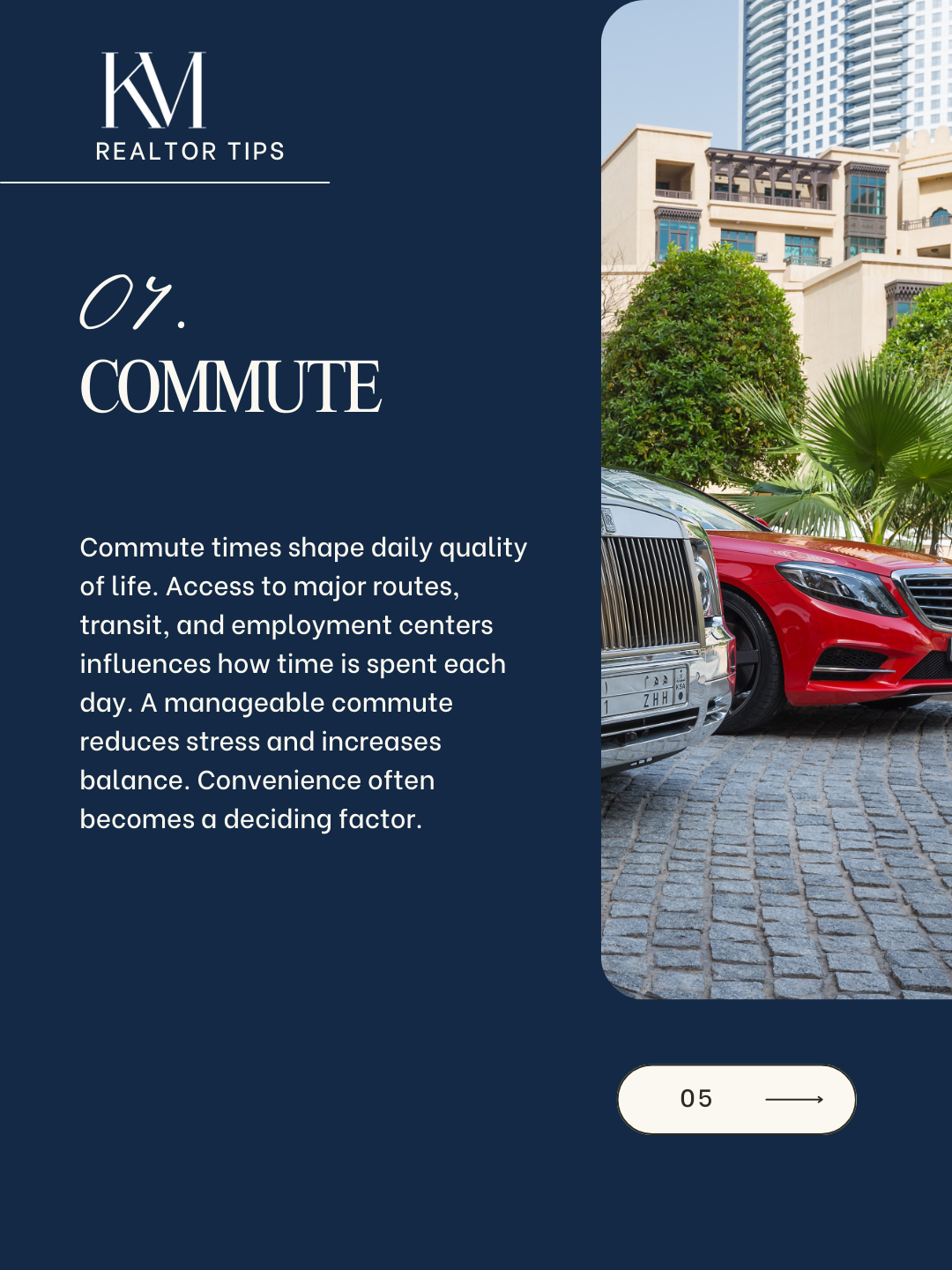
Commute times, access to major routes, proximity to loved ones, and the availability of essential services all contribute to overall quality of life. Even subtle details, such as tree-lined streets or waterfront views, can enhance a sense of comfort and wellbeing.

While a property can be renovated or redesigned, its location is permanent. Prioritizing place ensures that the foundation of your investment remains strong regardless of changing design preferences.

Lifestyle Alignment

The right neighbourhood should reflect and support your lifestyle. Some buyers seek vibrant, walkable districts filled with energy and culture, while others prioritize privacy, tranquility, and space. Neither is inherently better — what matters is alignment.

For professionals, proximity to business hubs may be essential. For families, access to reputable schools and recreational spaces often becomes a guiding factor. Meanwhile, those thinking long-term may consider how a neighbourhood will adapt to evolving needs over time.

When a location complements your routines and aspirations, a house becomes more than a structure — it becomes home.

The Investment Perspective

Place also plays a defining role in long-term property value. Desirable neighbourhoods tend to demonstrate stronger resilience during market fluctuations, supported by consistent demand and limited supply.

Indicators such as infrastructure improvements, thoughtful urban planning, employment growth, and community development can all signal future appreciation potential. Buyers who evaluate these factors position themselves not only for lifestyle benefits but also for financial strength.

In this sense, prioritizing place is both an emotional and strategic decision.

Community Matters

Beyond amenities and convenience lies something equally important: connection. A neighbourhood often shapes the relationships, routines, and experiences that define everyday living.

Farmers’ markets, local events, shared green spaces, and neighbourhood traditions foster a sense of community that cannot be replicated through design alone. Feeling at ease in your surroundings — whether through quiet familiarity or vibrant social interaction — adds immeasurable value to a home.

After all, the memories created within a community often become the true measure of a successful purchase.

Balancing Property and Place

Choosing place over property does not mean compromising on the home itself. Rather, it encourages buyers to view real estate through a wider lens.

A perfectly finished home in a less suitable location may not deliver lasting happiness, while a property with room for personalization in an exceptional neighbourhood can evolve alongside your needs.

With thoughtful improvements, a home can be elevated over time. What cannot be changed is the character and positioning of the area that surrounds it.

Guidance Creates Clarity

Recognizing the importance of place requires both perspective and market insight. Experienced real estate professionals help buyers evaluate neighbourhood dynamics, identify emerging opportunities, and understand which locations align best with their long-term vision.

This guidance transforms the search process from simply comparing properties to thoughtfully selecting a setting for the future.

A Decision That Endures

Trends will shift, styles will evolve, and personal preferences may change — but the right place continues to deliver value in ways that extend far beyond aesthetics.

When buyers prioritize location, lifestyle, and community alongside the physical attributes of a home, they create a foundation for enduring satisfaction.

Because in real estate, the property may capture your attention — but the place is what truly holds it.

Read

The Art Of Looking Beneath The Surface

The Art Of Looking Beneath The Surface

In real estate, what you see is rarely the full story. A beautifully staged home, fresh finishes, and strong curb appeal can create an immediate emotional connection — but true value lies deeper. Looking beneath the surface is one of the most important disciplines in both buying and selling, ensuring decisions are guided by insight rather than appearance alone.

For buyers, it protects one of life’s most significant investments. For sellers, it ensures transparency, preparedness, and stronger positioning in the marketplace.

First Impressions vs. Lasting Value

There is no denying the power of a strong first impression. Presentation draws buyers in and shapes early perception. However, experienced professionals understand that a property must stand up to scrutiny beyond aesthetics.

Structural integrity, mechanical systems, construction quality, and overall maintenance history all contribute to a home’s long-term performance. A property that appears flawless on the surface may still require thoughtful evaluation to fully understand its condition.

Looking deeper allows buyers to move forward with clarity and confidence rather than uncertainty.

The Importance of Due Diligence

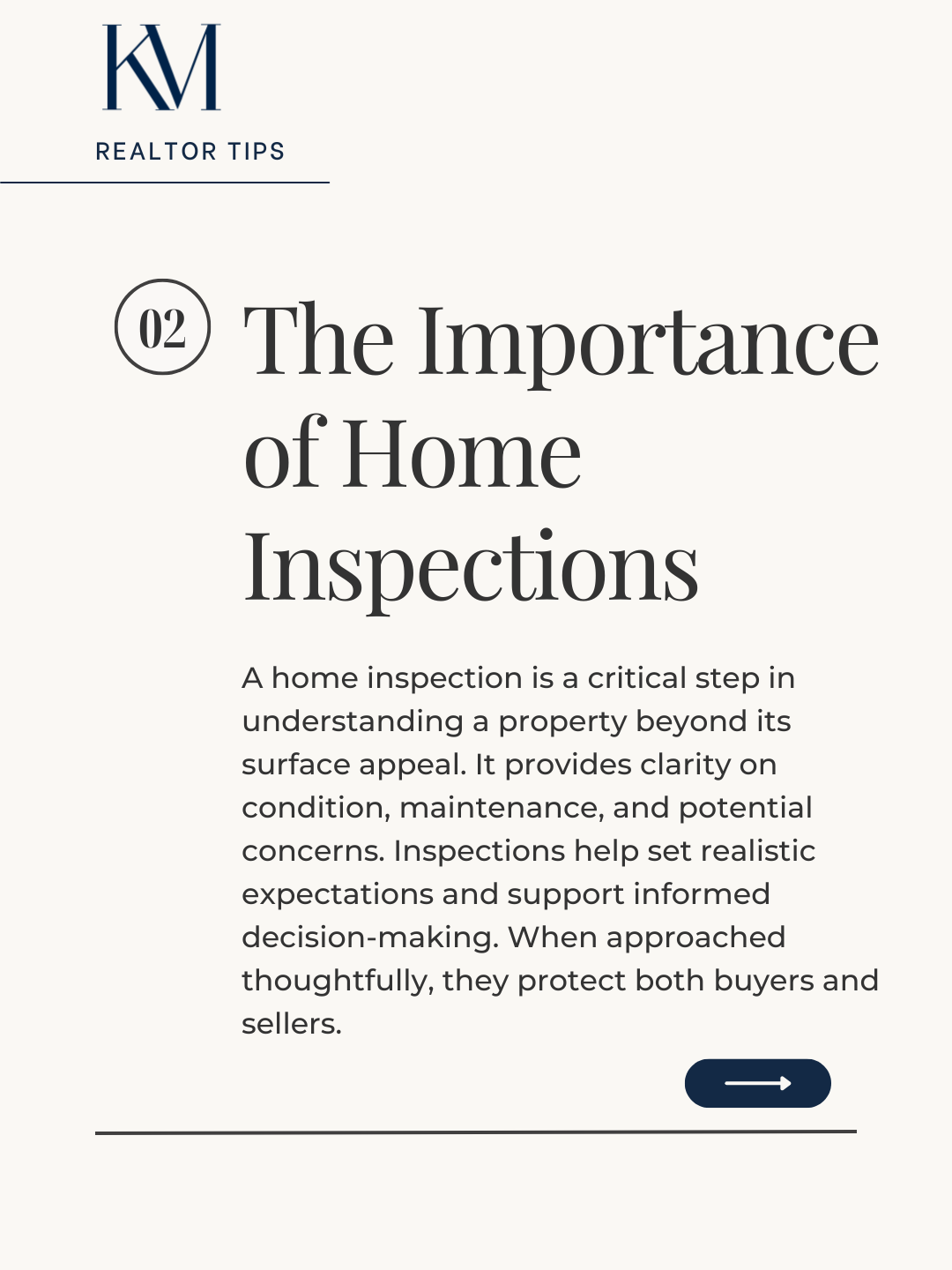
Due diligence is more than a procedural step — it is a strategic safeguard. Home inspections, document reviews, and careful analysis of disclosures provide critical information that may not be immediately visible during a showing.

Roof age, plumbing and electrical systems, insulation, drainage, and foundation health are just a few of the elements that can influence future costs and livability. Even factors such as past renovations should be reviewed to ensure work was completed professionally and in accordance with local requirements.

When buyers take the time to investigate these details, they minimize surprises and strengthen their negotiating position.

Looking Beyond the Property

A comprehensive evaluation extends beyond the home itself. The surrounding neighbourhood, future development plans, zoning considerations, and local market trends all play a role in shaping long-term value.

For example, upcoming infrastructure improvements may enhance accessibility and desirability, while certain developments could alter traffic patterns or density. Understanding these dynamics helps buyers align their purchase with both lifestyle goals and financial strategy.

Real estate is not only about where you live today — it is also about how that location supports your future.

Recognizing Opportunity

Looking beneath the surface is not solely about identifying risks; it is equally about uncovering potential.

Some properties may be overlooked due to cosmetic imperfections yet offer exceptional fundamentals. Others may present renovation opportunities that significantly increase value over time. Buyers who can recognize these possibilities often gain a competitive advantage, particularly in markets where turnkey homes attract heightened attention.

With the right vision and guidance, what initially appears ordinary can become extraordinary.

Sellers Benefit From Transparency

For homeowners preparing to sell, adopting this same mindset can be highly advantageous. Addressing maintenance items early, completing pre-listing inspections, or proactively disclosing known issues demonstrates professionalism and builds buyer trust.

Transparency reduces the likelihood of unexpected complications during negotiations and helps transactions progress more smoothly. It also signals confidence — a quality that resonates strongly with today’s discerning buyers.

When sellers look beneath the surface before bringing a property to market, they position themselves for stronger outcomes.

The Role of Expert Guidance

Understanding what to look for — and what questions to ask — is where professional guidance becomes invaluable. Experienced advisors recognize subtle indicators that others might miss and help interpret findings within the broader context of the market.

Beyond identifying concerns, they provide perspective. Not every issue is a dealbreaker; some are manageable, while others may present opportunities for negotiation. Having a knowledgeable advocate ensures decisions remain balanced, informed, and aligned with long-term goals.

Confidence Through Clarity

Real estate decisions carry both financial and emotional weight. When buyers and sellers commit to looking beneath the surface, they replace uncertainty with clarity.

This deeper level of awareness fosters smarter investments, smoother transactions, and greater peace of mind long after the deal is complete.

Because in real estate, lasting success is rarely found in what is immediately visible — it is discovered through careful evaluation, thoughtful strategy, and the confidence to see beyond the surface.

Read

The Art Of A Higher Standard

The Art Of A Higher Standard

In real estate, the difference between a satisfactory experience and an exceptional one often comes down to the standard of service behind it. A higher standard is not simply about closing transactions — it is about delivering expertise, foresight, and a level of care that transforms the process into a seamless and rewarding journey.

Whether buying or selling, clients deserve more than basic representation. They deserve guidance rooted in professionalism, strategy, and a deep understanding of the market.

What Defines a Higher Standard?

A higher standard begins with expertise. Real estate markets are constantly evolving, shaped by economic trends, interest rates, local inventory, and shifting buyer behaviour. Navigating these dynamics requires more than surface-level knowledge — it demands insight that allows clients to make informed and confident decisions.

From accurate pricing strategies to sophisticated marketing plans and skilled negotiations, elevated service ensures that every step is intentional rather than reactive.

Preparation, responsiveness, and attention to detail are not luxuries in this environment — they are expectations.

Personalized Guidance Matters

No two clients share the same goals, timelines, or definitions of success. A higher standard recognizes this and prioritizes a tailored approach over a transactional mindset.

For sellers, this may mean developing a customized positioning strategy that highlights a property’s strongest features while aligning with current market conditions. For buyers, it involves carefully understanding lifestyle needs, long-term objectives, and investment considerations before identifying the right opportunities.

When guidance is personalized, the experience becomes more efficient, less stressful, and ultimately more successful.

Elevated Marketing Creates Opportunity

Today’s buyers are more informed and selective than ever. Capturing their attention requires more than simply listing a property — it calls for thoughtful presentation and strategic exposure.

Professional photography, compelling digital marketing, targeted outreach, and strong listing narratives all contribute to how a home is perceived. First impressions are often formed online, and properties that stand out from the beginning are better positioned to generate meaningful interest.

Elevated marketing is not about excess; it is about intention. When executed effectively, it enhances perceived value and strengthens negotiating power.

Strategic Representation Makes the Difference

Behind every successful transaction is a clear strategy. Markets can shift quickly, competition can intensify without warning, and opportunities often require decisive action.

A higher standard of representation anticipates these changes rather than reacting to them. It means advising clients when to move forward confidently, when to exercise patience, and how to structure offers that align with both market realities and personal goals.

Strong representation also provides a steady, objective perspective during what can otherwise be an emotional process. With the right guidance, clients can remain focused on the bigger picture.

Communication Builds Trust

Transparency and consistent communication are foundational to elevated service. Clients should feel informed, supported, and confident at every stage — never uncertain about what comes next.

Clear expectations, proactive updates, and honest advice foster trust and create a smoother experience from start to finish. When challenges arise, as they sometimes do in complex transactions, open communication ensures they are addressed quickly and effectively.

A Long-Term Perspective

A higher standard extends beyond a single purchase or sale. Real estate decisions often influence financial wellbeing and lifestyle for years to come, making it essential to approach each transaction with a long-term view.

Advisors who prioritize lasting relationships over short-term gains help clients build strategies that support future growth, whether through property appreciation, portfolio expansion, or thoughtful timing.

This perspective transforms real estate from a one-time event into an ongoing partnership.

The Value of Elevated Service

Ultimately, a higher standard is about more than results — it is about the experience itself. It is the confidence that comes from knowing every detail has been considered, every opportunity explored, and every decision guided by expertise.

In a competitive and fast-moving market, elevated service is not simply an advantage; it is a necessity. Clients who choose a higher standard position themselves for stronger outcomes, smoother transactions, and a level of professionalism that reflects the significance of their investment.

Because exceptional real estate experiences are never accidental — they are built on a commitment to going above and beyond.

Read

The Art Of Expert Negotiations

In real estate, negotiation is far more than a conversation about price — it is a strategic process that can significantly influence the outcome of a transaction. Whether buying or selling, expert negotiation ensures that your financial interests are protected while positioning you for the strongest possible result. In competitive markets especially, the difference between a good deal and a great one often comes down to the skill, preparation, and insight behind the negotiation strategy.

Preparation Creates Advantage

Successful negotiations begin long before an offer is presented. Preparation is one of the most powerful tools in any real estate transaction. Understanding current market conditions, comparable sales, inventory levels, and buyer demand provides the context needed to negotiate from a position of strength.

For sellers, preparation means pricing strategically and anticipating how buyers may respond. For buyers, it involves understanding property value, identifying leverage points, and establishing clear priorities before entering discussions. When both strategy and data guide the process, decisions become more confident and less reactive.

Strategy Over Emotion

Real estate transactions often carry emotional weight. Buyers may picture their future in a home, while sellers may have deep personal attachments to a property. However, strong negotiations rely on objectivity.

An experienced real estate professional acts as a strategic buffer, ensuring that emotions do not overshadow smart decision-making. By focusing on facts, market realities, and long-term goals, negotiations remain productive rather than personal.

This level-headed approach is particularly valuable in multiple-offer scenarios, where urgency can lead to rushed choices. A carefully structured offer — or counteroffer — can create opportunity without unnecessary risk.

Understanding Leverage

Every negotiation includes elements of leverage. Identifying them early can shape the entire strategy.

For example, a low-inventory market may favour sellers, giving them stronger negotiating power. Conversely, if properties are sitting longer or inventory is rising, buyers may gain more flexibility in terms, pricing, or conditions.

Leverage can also come from timing, financing strength, closing flexibility, or property condition. Knowing which factors matter most to the other party allows negotiations to move beyond price alone and toward mutually beneficial terms.

The Power of Communication

Clear, professional communication is often underestimated, yet it plays a central role in successful negotiations. How an offer is presented — and how responses are handled — can influence the tone of the entire transaction.

Respectful, solution-oriented dialogue helps maintain momentum and prevents unnecessary friction. Skilled negotiators know when to be firm, when to be flexible, and when creative problem-solving can bridge the gap between two positions.

In many cases, transactions succeed because both sides feel heard and understood.

Navigating Complexity With Confidence

Modern real estate agreements extend far beyond purchase price. Conditions, deposit structures, timelines, inclusions, repairs, and contingencies all contribute to the strength of an offer.

Expert negotiation carefully balances these components to reduce risk while maximizing value. For buyers, this may mean structuring terms that stand out without overextending. For sellers, it could involve evaluating the full picture of each offer rather than focusing on headline numbers alone.

A thoughtful approach ensures that the agreement supports both immediate goals and long-term financial wellbeing.

Timing Matters

Knowing when to act — and when to wait — is another hallmark of strong negotiation. Acting decisively can secure a rare opportunity, while patience may create space for better terms to emerge.

Market awareness is critical here. Seasonal patterns, interest rate shifts, and local supply trends can all influence negotiating power. With the right guidance, clients can move forward at moments that align with both market conditions and personal objectives.

Expertise That Delivers Results

At its core, expert negotiation is about advocacy. It is the confidence of knowing that every detail has been considered, every opportunity evaluated, and every decision aligned with your best interests.

In a landscape where conditions can shift quickly, professional representation provides clarity and direction. From the first offer to the final signatures, strategic negotiation transforms complexity into a seamless experience.

Because in real estate, success is rarely accidental — it is negotiated.

Read

Canada's Luxury Housing Market Becomes Increasingly Regional as Prices Hold

Canada’s luxury real estate sector entered a more measured phase in 2025, with buyer behaviour varying widely across regions. While Toronto and Vancouver experienced softer sales as high prices and expanded inventory encouraged a cautious approach, markets like Ottawa, Montréal, and Halifax saw notable growth in luxury transactions. Across the country, average prices remained largely stable, highlighting the resilience of the high-end housing market.

Regional Divergence Drives Market Dynamics

Luxury buyers are increasingly deliberate in their purchasing decisions, prioritizing quality, location, and long-term livability over speculative moves. Engel & Völkers reports that this shift toward careful selection helped maintain price stability, even as overall sales activity diverged by city. The trend underscores the importance of strong advisory expertise for facilitating successful transactions, particularly in competitive or value-sensitive segments.

Market Highlights by City

  • Ottawa: Luxury detached sales between $1–1.99M rose by 33%, with average prices up 2%.

  • Montréal: Detached sales in the $1–3.99M range increased by 32%, while average prices remained steady at $1.49M.

  • Halifax: Homes priced $1–1.99M saw a 23% increase in transactions, with a 3% rise in average prices.

  • Toronto: Luxury sales in the $1–1.99M segment fell 15%, though average prices held at $1.5M, and listings dropped 44%.

  • Vancouver: Sales in the $1–1.99M range declined 9%, with prices stable and new listings up 18%.

These figures illustrate a national luxury market that is increasingly influenced by local fundamentals such as employment stability, housing supply, and lifestyle appeal, rather than broad nationwide trends.

What This Means for 2026

Looking forward, Canada’s luxury housing market is expected to remain selective and segmented. Cities offering strong value, appealing lifestyle features, and stable local economies are likely to outperform, while sellers who maintain realistic pricing and quality offerings will see continued success. As buyers grow more discerning, the role of advisors with deep local knowledge and global connections becomes even more critical for navigating the high-end market.

Key Takeaways

  • Price Stability: Despite volume fluctuations, average luxury home prices stayed steady nationwide.

  • Top Performing Cities: Ottawa, Montréal, and Halifax saw growth in luxury sales, whereas Toronto and Vancouver experienced slower activity.

  • Brokerage Performance: Experienced advisors and flagship brokerages benefited from buyers’ more selective behaviour, supporting growth even in markets with softer overall volumes.

This summary is adapted from Engel & Völkers’ 2025 Year-End Canadian Luxury Real Estate Market Report.

Read

Design: A Legacy of Style

In the world of interior design, some of the most successful brands owe much of their longevity to family-led leadership. Nienkämper, Scavolini, and Roche Bobois have each built global reputations for quality, creativity, and innovation, and a common thread among them is the values and vision passed down through generations.

Nienkämper: Canadian Craftsmanship with a Global Reach

Founded in 1968 by Klaus and Beatrix Nienkämper in Toronto, Nienkämper quickly established itself as a pioneer in office furniture design. The brand’s signature blend of high-quality Canadian fabrication and Bauhaus-inspired aesthetics set it apart. Today, leadership remains within the family, with Rebecca and Ottilie Nienkämper carrying forward the company’s commitment to design integrity, client-focused solutions, and meticulous in-house production. This hands-on approach allows Nienkämper to maintain control over quality and innovation, more than five decades after its founding.

Scavolini: Italian Craftsmanship Across Generations

Scavolini, founded in 1961 in Pesaro, Italy, is renowned for its modular kitchens, bathrooms, and living spaces. Its ongoing success stems from a strong family legacy, where founder Valter Scavolini remains an active presence even as his daughter Fabiana leads as CEO. Guided by the principles of “Made in Italy” craftsmanship, the Scavolini family emphasizes strategic production partnerships while keeping research, development, and marketing in-house. This approach ensures high-quality, innovative designs that meet growing international demand.

Roche Bobois: French Elegance with Bold Vision

Roche Bobois, a Parisian brand launched in 1960 by the Roche and Chouchan families, is celebrated for combining modernist functionality with French creativity. From iconic pieces like the Bubble sofa to expansive global showrooms, the brand has grown while maintaining family influence at the helm. Current leaders Jean-Eric Chouchan and Nicolas Roche continue to honor the founders’ vision, fostering innovation and bold design decisions while staying true to the brand’s roots.

The Power of Family in Design

Across these three companies, one lesson is clear: family stewardship provides stability, long-term vision, and continuity of core values. It allows design brands to make strategic, thoughtful decisions that honor their heritage while innovating for the future. Whether through meticulous craftsmanship, in-house production, or a dedication to ethical business practices, family-led leadership shapes not only the products but the culture and legacy of these companies.

For buyers and design enthusiasts, understanding the history and philosophy behind these brands offers insight into the care, quality, and innovation that define their work. In both business and design, knowing where you come from can be just as important as knowing where you’re going.

This article is inspired by publicly available insights from leading interior design publications, including Insight: The Art of Living Magazine and Sotheby’s International Realty.

Read

Top 10 Factors to Consider When Choosing a Neighbourhood

Finding the perfect home goes far beyond square footage, finishes, or architectural style. One of the most important — and often overlooked — decisions in the buying process is choosing the right neighbourhood. The area you live in plays a major role in shaping your daily routines, long-term comfort, and overall quality of life.

Whether you’re purchasing your first home or planning a relocation, understanding how to evaluate a neighbourhood strategically can help ensure your decision supports both your lifestyle and your financial goals. Below are the key factors every buyer should consider before committing to a location.

1. Location & Proximity

A neighbourhood’s location directly affects convenience and livability. Consider how close the area is to your workplace, family, schools, and the places you frequent most. Shorter commutes and easy access to essentials often translate into a better day-to-day experience.

2. Overall Cost of Living

The purchase price is only one part of the financial picture. Property taxes, utilities, maintenance costs, and potential homeowner association fees should all be factored into your decision. Choosing a neighbourhood that aligns with your long-term financial plans is just as important as finding the right home itself.

3. Employment & Education Opportunities

For buyers relocating to a new city, nearby career opportunities can significantly influence long-term satisfaction. Similarly, access to reputable schools and educational resources is a key consideration for families or those planning ahead.

4. Amenities & Everyday Conveniences

Neighbourhoods with accessible healthcare, grocery stores, dining options, shopping, and recreational facilities tend to offer a higher quality of life. Parks, walking trails, and green spaces also add value — both personally and from an investment perspective.

5. Safety & Peace of Mind

Feeling secure in your surroundings is essential. Reviewing crime statistics, understanding local safety initiatives, and speaking with a knowledgeable real estate professional can provide helpful context when evaluating an area.

6. Community & Lifestyle Fit

Every neighbourhood has its own character. Take time to explore the area, attend local events, and observe how residents interact. Whether you’re seeking a vibrant social scene or a quieter environment, cultural alignment matters.

7. Future Development Plans

Planned infrastructure projects, new commercial developments, or transit expansions can significantly impact a neighbourhood’s future value. While growth often brings opportunity, it’s also important to consider potential short-term disruptions.

8. Long-Term Value & Appreciation

A strong neighbourhood often shows signs of economic stability, employment growth, and thoughtful development. These factors can contribute to long-term property appreciation and help protect your investment.

9. Transportation & Accessibility

Easy access to major roads, public transit, and walkable amenities can greatly influence convenience and resale appeal. Evaluate how transportation options fit into your lifestyle needs.

10. Noise, Density & Privacy

Visiting a neighbourhood at different times of day can reveal important details about noise levels and activity. Nearby highways, entertainment venues, or flight paths may affect comfort, while spacing between homes can influence privacy.

Final Thoughts

Choosing the right neighbourhood is a balance between lifestyle preferences and strategic planning. Taking the time to evaluate these factors thoroughly can help ensure your next move supports not only where you live — but how you live.

This article is inspired by industry insights and market perspectives published by Sotheby’s International Realty and adapted for our audience.

Read

2026 Luxury Outlook Report

The luxury real estate sector continues to demonstrate strength and stability, outperforming the broader housing market in both transaction volume and value growth. Momentum from 2025 is expected to carry forward into 2026, supported by resilient demand, sustained wealth creation, and renewed market balance.

Luxury real estate increasingly operates as a distinct market segment, influenced by different economic forces than the general housing market. This pattern mirrors trends seen across other industries where premium sectors remain more insulated from volatility. High-net-worth buyers tend to be less impacted by geographic limitations or short-term macroeconomic shifts, contributing to the long-term durability of the luxury market.

A notable development heading into 2026 is the return of healthier inventory levels, reaching benchmarks last seen before the pandemic. Balanced supply creates a more sustainable environment, offering buyers greater choice while supporting realistic pricing strategies for sellers.

As conditions evolve, decisive action becomes a key advantage. Sellers who price strategically rather than opportunistically often position themselves more effectively, while buyers who act early when unique opportunities arise can secure exceptional value. In luxury markets, early momentum frequently drives increased demand, particularly in developments or listings that adapt quickly to shifting conditions.

Beyond pricing and inventory, the luxury real estate landscape is being shaped by broader economic, political, and technological forces. Factors such as policy changes, global capital movement, digital assets, and major international events continue to influence where and how affluent buyers invest.

Lifestyle priorities are also redefining luxury housing. Privacy, security, and resilience are increasingly central to property design, alongside features that support multigenerational living. For many affluent households, real estate serves not only as a residence, but as a long-term legacy strategy that supports wealth transfer and family continuity.

With luxury buyers seeking both global access and local expertise, international market insight plays a critical role in informed decision-making. From emerging developments to established prestige markets, today’s luxury real estate choices are shaped by a blend of financial strategy, lifestyle preference, and long-term vision.

Ultimately, luxury real estate remains about more than ownership alone—it reflects how and where buyers choose to live, invest, and build their future.

Insights informed by leading global luxury real estate research, including Sotheby’s International Realty.

Read

The Art Of Pricing Your Home With Purpose

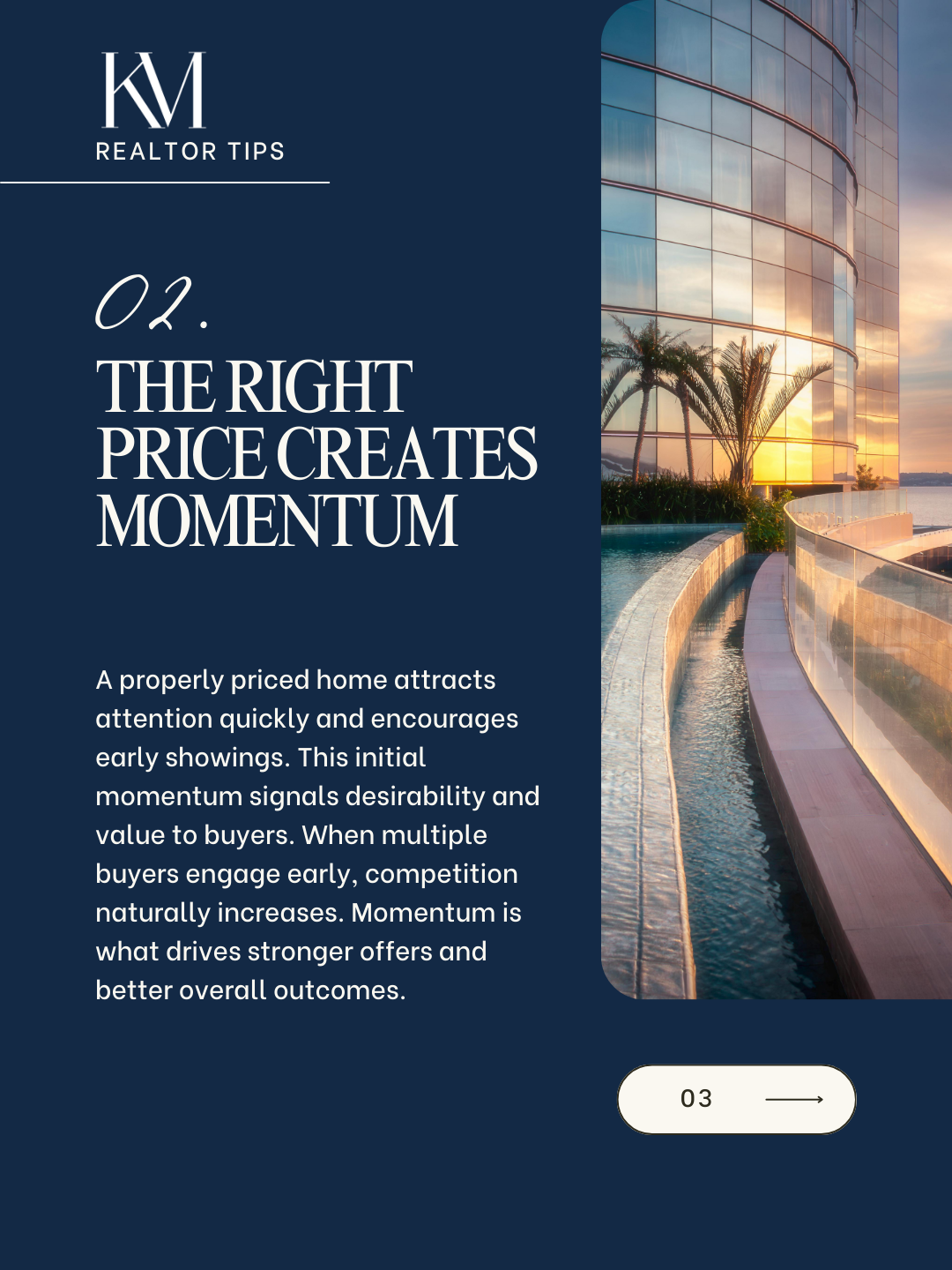
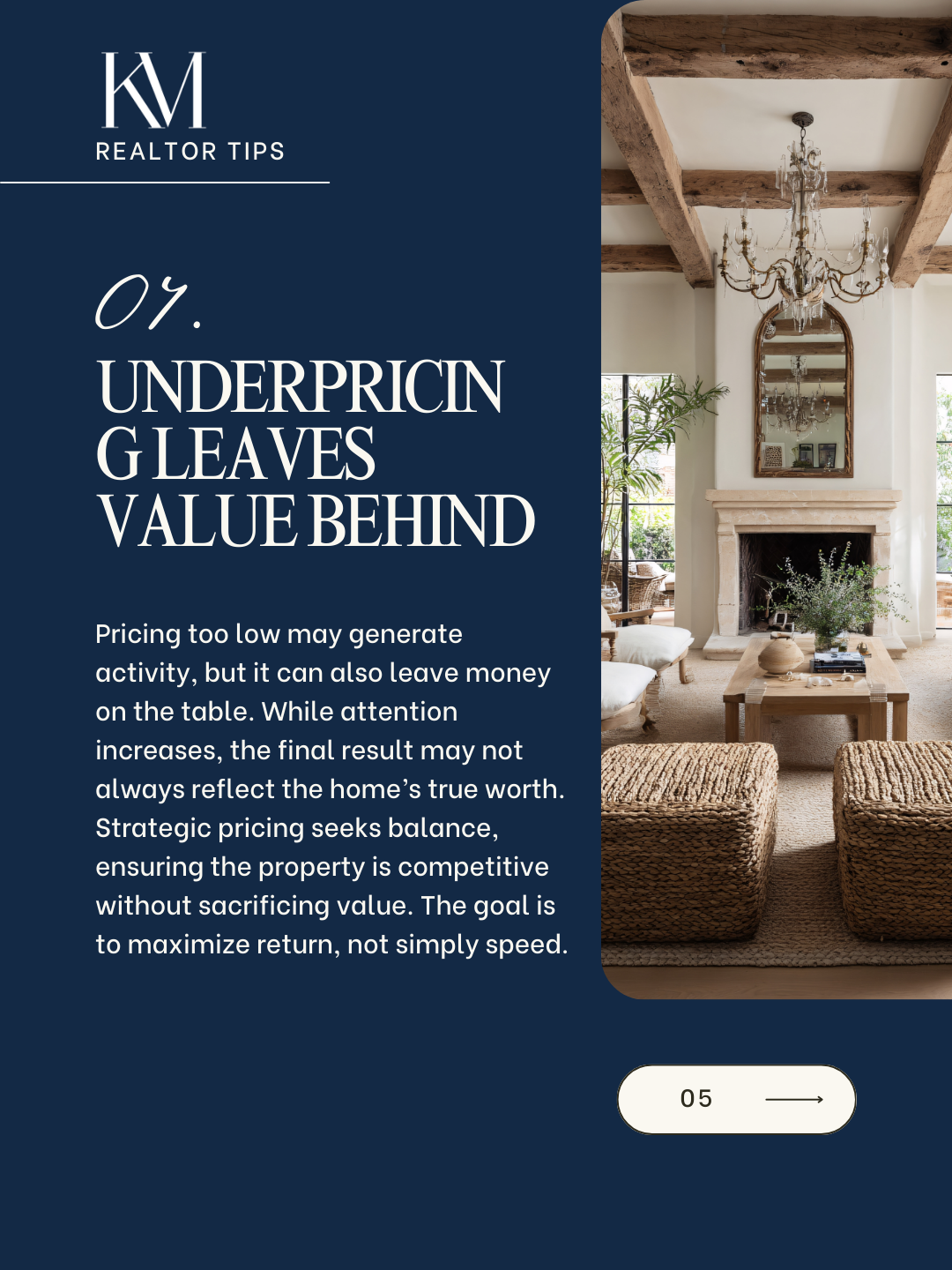
One of the most critical decisions when selling a home is determining the right price. Price it too high, and your property may linger on the market; price it too low, and you risk leaving money on the table. The Art of Pricing Your Home with Purpose explores how strategic pricing, market insight, and thoughtful positioning help sellers attract buyers, generate interest, and achieve the best results.

Understand Your Market

Pricing with purpose begins with understanding the local real estate market. Every neighborhood and property type behaves differently, and staying informed about current trends is essential. Comparable sales—homes similar in size, style, and location—provide a baseline for pricing, but it’s equally important to consider market conditions, seasonal demand, and buyer activity.

Analyzing these factors helps sellers set a price that is competitive, realistic, and appealing to potential buyers. A well-priced home generates early interest, often leading to multiple offers and a faster sale.

Consider the Buyer’s Perspective

Effective pricing is not just about numbers—it’s about perception. Buyers make quick judgments, and an appealing price signals value and fairness. Homes that are priced appropriately create a sense of urgency and attract serious buyers, while overpricing can discourage interest or cause buyers to wait for a price reduction.

Understanding your target buyer—whether first-time homeowners, investors, or families—can guide pricing decisions. Positioning your property in a price range that resonates with your ideal audience increases the likelihood of engagement and strong offers.

Align Price with Strategy

Pricing a home should always be part of a broader selling strategy. Are you aiming for a quick sale, or are you seeking the highest possible return? Do you want to generate multiple offers and create competition, or attract buyers steadily over time? Your pricing strategy will influence how buyers perceive the property and how quickly it sells.

Strategic pricing also includes considering market positioning. Highlighting unique features, upgrades, or prime location advantages can justify a higher price point, while homes with fewer differentiators may benefit from a more aggressive entry price.

Adjust with Data and Feedback

Even the best-laid pricing plan may need fine-tuning once the home is on the market. Monitoring buyer interest, showing activity, and feedback from open houses provides valuable insight. If inquiries are low or offers aren’t coming in, it may indicate that the price needs adjustment.

Flexibility is key. Purposeful pricing is not static—it evolves based on market response, competition, and timing. Sellers who remain attentive and responsive maximize their chances of a successful, profitable sale.

Work with Experienced Professionals

Real estate professionals bring market expertise, negotiation skills, and insight into pricing trends. Working with a knowledgeable agent ensures your home is positioned correctly from the start, avoiding common pitfalls and leveraging opportunities. Their guidance can help balance market data with buyer psychology to set a price that attracts attention and delivers results.

Conclusion

Pricing a home with purpose is both an art and a science. It requires understanding the market, considering the buyer’s perspective, aligning price with strategy, and remaining flexible based on feedback and results.

A well-priced home not only attracts attention but also builds confidence with buyers, generates interest, and increases the likelihood of a successful sale. By approaching pricing intentionally, sellers position their property for maximum impact—ensuring it sells efficiently and achieves the best possible outcome.

Read

The Art Of Buying With Confidence

Buying a home is one of the most significant decisions many people will make in their lives. It’s exciting, emotional, and sometimes overwhelming. The key to a smooth, successful experience lies in buying with confidence—approaching the process informed, prepared, and guided by the right expertise. The Art of Buying With Confidence explores how knowledge, strategy, and support empower buyers to make informed decisions and find the home that’s truly right for them.

Start with a Clear Vision

Confidence begins with clarity. Before stepping into the market, it’s essential to understand what you’re looking for in a home. Consider factors such as location, size, lifestyle needs, budget, and long-term goals. Knowing your priorities allows you to focus on properties that genuinely meet your criteria and avoids wasting time on homes that don’t align with your vision.

It’s also helpful to identify your “must-haves” versus “nice-to-haves.” For example, proximity to schools or public transit might be non-negotiable, while a home office or extra storage could be flexible. This clarity gives you confidence in your decisions and helps streamline the search process.

Do Your Research

Knowledge is power when buying a home. Understanding market trends, property values, and neighborhood dynamics equips buyers with the information needed to make smart choices. Research comparable sales, upcoming developments, and community amenities to gain insight into both current and future value.

Being informed also means understanding the buying process itself—from making offers and negotiations to inspections, financing, and closing procedures. Familiarity with these steps reduces uncertainty and ensures you feel confident every step of the way.

Work with the Right Guidance

Even the most informed buyers benefit from expert guidance. A knowledgeable real estate professional acts as a trusted advisor, helping you navigate listings, evaluate properties, and negotiate effectively. Their experience ensures you’re making decisions based on both market insight and your personal goals.

Having professional support also provides peace of mind. When questions arise—whether about contracts, inspections, or financing—you’ll have a resource to guide you, preventing costly mistakes and boosting your confidence throughout the process.

Be Financially Prepared

Confidence in home buying is also tied to financial readiness. Knowing your budget, mortgage options, and pre-approval status allows you to act quickly when the right property comes along. Financial preparation reduces stress, empowers you to make competitive offers, and helps you understand the long-term affordability of a home.

It’s also important to plan for additional costs, such as closing fees, property taxes, and potential renovations. Being aware of the full financial picture ensures you can make decisions confidently without surprises down the line.

Trust Your Instincts and Take Your Time

While information and guidance are critical, buying with confidence also involves trusting your instincts. If a home feels right—or wrong—it’s important to acknowledge those feelings. Combining objective data with personal intuition ensures that your decision aligns with both practical and emotional needs.

At the same time, avoid rushing the process. Confident buyers take the time to tour properties, review documents, and ask questions. Careful evaluation reduces regret and ensures you’re making a well-considered choice.

Conclusion

Buying a home is a complex journey, but approaching it with confidence makes all the difference. By defining your vision, researching the market, seeking expert guidance, and being financially prepared, you empower yourself to make informed, strategic decisions.

Confidence in home buying isn’t about knowing everything—it’s about preparation, clarity, and trusting the right process. With these tools, buyers can navigate the market with assurance, find a home that fits their needs, and turn the dream of homeownership into reality.

Read

The Art Of Preparing A Home For The Market

Selling a home is about more than just putting it on the market—it’s about presenting it in a way that attracts buyers and maximizes value. The Art of Preparing a Home for the Market explores how strategic preparation, thoughtful staging, and attention to detail can transform a property, creating a strong first impression and increasing the likelihood of a successful sale.

Start with a Clean Slate

Before any listing goes live, it’s essential to ensure the home is clean, organized, and clutter-free. A clean home immediately signals care and attention, allowing buyers to focus on the property itself rather than distractions. Deep cleaning—everything from carpets and windows to kitchens and bathrooms—sets the stage for a polished presentation.

Decluttering is equally important. Personal items, excess furniture, and knick-knacks can make spaces feel smaller and distract buyers from seeing the home’s full potential. The goal is to create an inviting, neutral environment where buyers can envision their own belongings and lifestyle.

Make Strategic Repairs and Upgrades

Homes that are well-maintained attract more attention and often sell faster. Take time to address minor repairs such as leaky faucets, chipped paint, or squeaky doors. While small fixes may seem insignificant, they contribute to the overall impression of the property’s condition and care.

Strategic upgrades can also increase perceived value. Simple improvements like fresh paint, modern light fixtures, updated hardware, or new landscaping can make a home feel fresh and move-in ready. Investing in these enhancements often pays off in stronger offers and quicker sales.

Staging to Highlight Potential

Staging is an art that helps buyers imagine themselves living in the home. Thoughtful furniture placement, neutral color schemes, and open, uncluttered spaces allow rooms to feel larger and more functional. Even small touches like fresh flowers, cozy throw blankets, and tasteful décor can make a home feel welcoming and memorable.

Professional staging is a worthwhile consideration for homes in competitive markets or higher-end properties. A stager brings expertise in showcasing spaces in ways that appeal to the broadest possible audience, emphasizing strengths and downplaying any minor flaws.

Capture the Home in Its Best Light

High-quality photography and videography are critical in today’s digital-first real estate market. Most buyers start their search online, and compelling visuals are often the deciding factor in whether they schedule a showing. Professional photos, virtual tours, and short video walkthroughs provide an immersive experience, highlighting the home’s best features and unique selling points.

Timing and lighting during photography matter. Shooting during daylight, using natural light to enhance spaces, and staging key areas like kitchens, living rooms, and master suites ensure that the property shines in every image.

Highlight Curb Appeal

First impressions start at the curb. Landscaping, clean entryways, and well-maintained exterior details set the tone for the buyer’s experience before they even step inside. Small enhancements—like planting flowers, painting the front door, or power-washing walkways—can make a significant impact.

Curb appeal signals pride of ownership and invites buyers to explore the home further, creating a positive emotional response that carries through the entire showing.

Conclusion

Preparing a home for the market is a strategic process that combines cleaning, repairs, staging, and presentation. Every detail matters—from decluttering and minor repairs to professional photography and curb appeal.

By investing time and effort in preparation, sellers increase their chances of attracting the right buyers, creating strong offers, and achieving a successful sale. The art of preparation lies in making the home feel move-in ready, appealing, and memorable—a space buyers can envision themselves calling home.

Read

Latest Blog Posts

Sotheby’s International Realty Canada Expands into New Brunswick: A New Chapter in Atlantic Canadian Real Estate
Investment & Financial Articles

Sotheby’s International Realty Canada Expands into New Brunswick: A New Chapter in Atlantic Canadian Real Estate

Sotheby’s International Realty Canada expands into New Brunswick, bringing its global reach, elevated marketing, and local expertise ...

READ POST
Resort-Style Living in Vaughan’s Most Exclusive Enclave
Home & Design Inspiration

Resort-Style Living in Vaughan’s Most Exclusive Enclave

Discover a Vaughan estate where modern luxury, golf-course serenity, and thoughtful design converge. This exclusive residence offers ...

READ POST
7 Reasons Why Big White, British Columbia Should Be On Your Radar
Local Area & Lifestyle Features

7 Reasons Why Big White, British Columbia Should Be On Your Radar

Big White, BC, offers world-class skiing, stunning alpine scenery, and year-round outdoor adventure. Discover why this premier resort ...

READ POST
The Art Of The Selling Journey
The Smart Kit

The Art Of The Selling Journey

Selling a home is a process, not just a moment. This blog explores how careful planning, market insight, and strategic decision-making ...

READ POST
This website may only be used by consumers that have a bona fide interest in the purchase, sale, or lease of real estate of the type being offered via the website. The data relating to real estate on this website comes in part from the MLS® Reciprocity program of the PropTx MLS®. The data is deemed reliable but is not guaranteed to be accurate.