


The real estate market is evolving faster than ever. Today’s buyers are more informed, more selective, and more attuned to lifestyle and technological trends than previous generations. Meeting modern demand requires sellers and agents to understand these expectations and adapt strategies accordingly, ensuring properties appeal to discerning buyers while maximizing value.
Understanding the Modern Buyer
Modern buyers are not just looking for a house; they are seeking a lifestyle. From energy efficiency and smart home features to flexible layouts that support remote work, buyers prioritize functionality, convenience, and quality of life.
Millennial and Gen Z buyers, in particular, are researching extensively online before visiting a property, comparing neighborhoods, amenities, and even local schools. They value transparency, accessibility, and authenticity, expecting homes to reflect both aesthetic appeal and practical design.
Sellers who understand these preferences can tailor their properties to resonate with contemporary buyers, increasing engagement and driving competitive interest.
Technology and Connectivity
Technology is no longer an optional enhancement — it is a requirement. Smart thermostats, integrated security systems, high-speed internet, and energy-efficient appliances are increasingly standard expectations for modern buyers.
Homes that embrace technology not only improve day-to-day living but also signal forward-thinking value. Sellers can meet modern demand by highlighting these features in marketing materials, emphasizing how they support convenience, safety, and efficiency.
Virtual tours and professional photography have also become essential in today’s market. With buyers beginning their search online, presenting properties in a high-quality, interactive way ensures the home captures attention and stands out in a competitive landscape.
Sustainability and Wellness
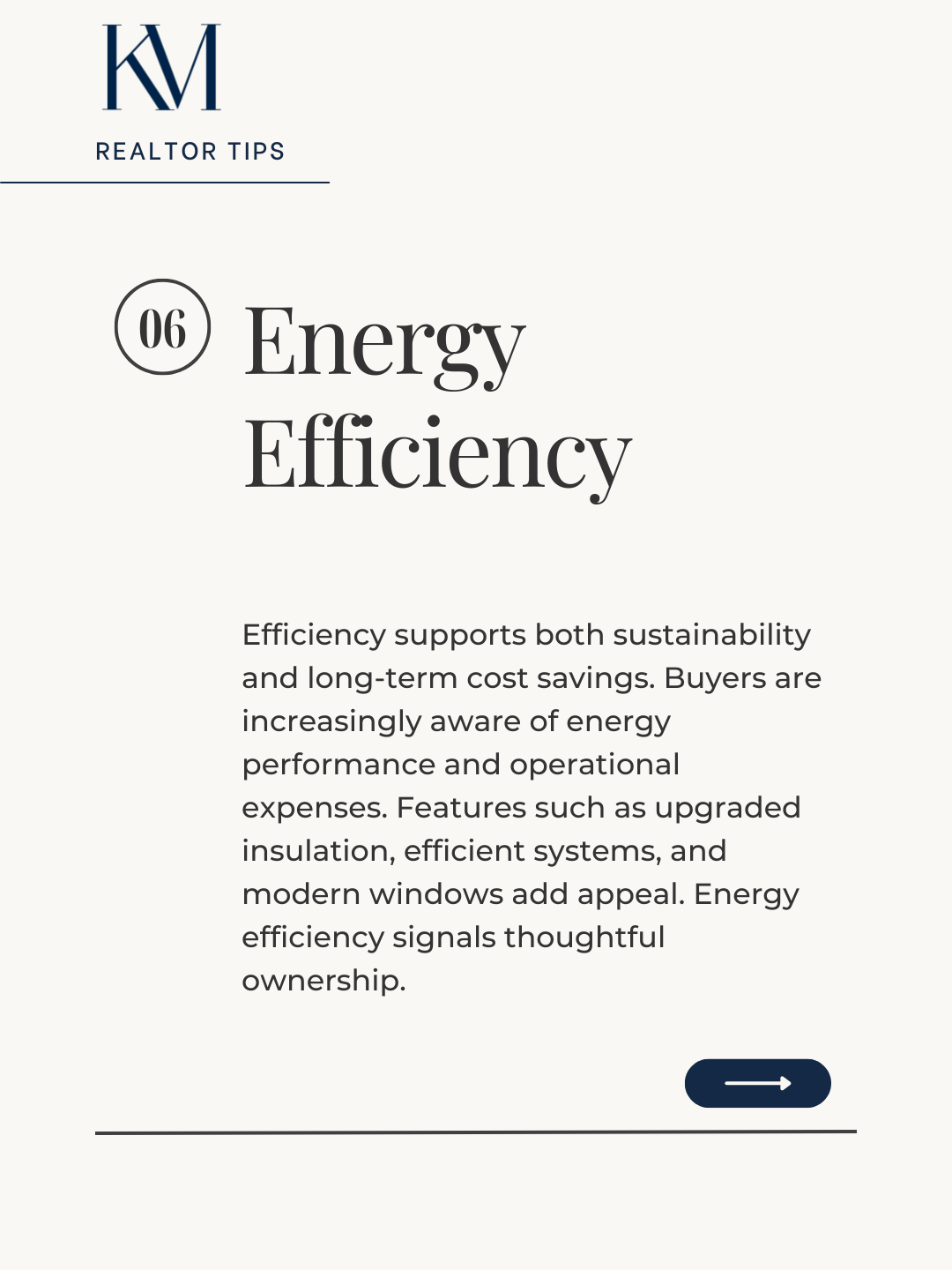
Sustainability has moved from trend to expectation. Buyers increasingly seek homes with energy-efficient systems, eco-friendly materials, and designs that promote health and wellness. Natural light, indoor-outdoor flow, and green spaces enhance both appeal and long-term value.
Homes that incorporate sustainable features often attract buyers willing to pay a premium for reduced environmental impact and lower operating costs. Meeting modern demand means integrating these elements thoughtfully and highlighting them strategically during the sales process.
Flexible and Functional Spaces
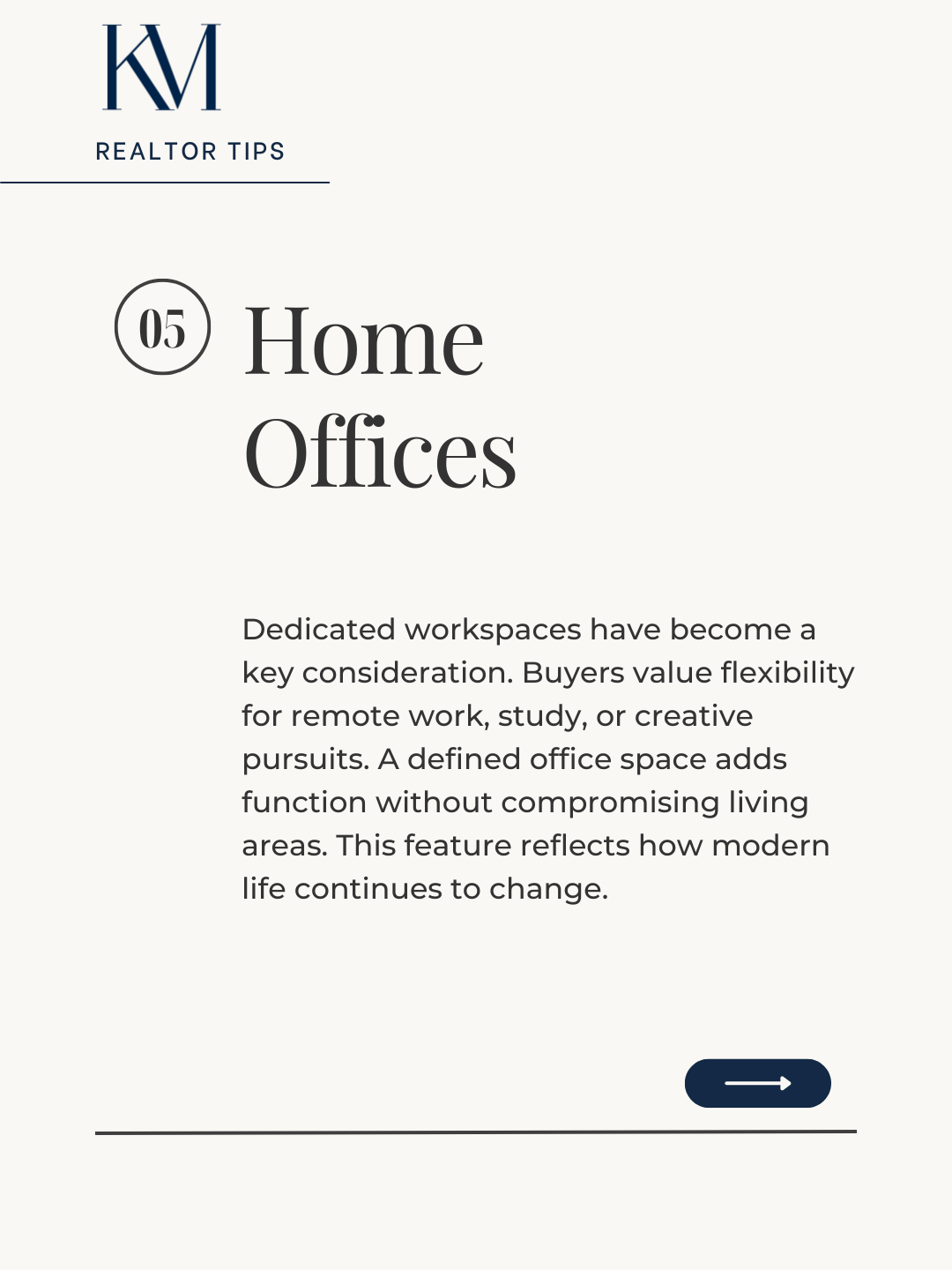
The modern home is multi-functional. Home offices, versatile living areas, and adaptable layouts are now a priority, reflecting shifts in work, family life, and recreation. Buyers are drawn to properties that can evolve with their changing needs, from remote workspaces to flexible entertainment areas.
Sellers can meet these expectations by ensuring rooms are clearly defined yet adaptable, demonstrating how spaces can serve multiple purposes. Staging and presentation play a crucial role in helping buyers visualize the full potential of a property.
Design and Lifestyle Alignment
Aesthetics remain vital, but modern demand prioritizes harmony between design and lifestyle. Clean lines, natural materials, and thoughtful finishes resonate with buyers seeking comfort, functionality, and elegance.
Moreover, location continues to be a key factor. Walkability, proximity to amenities, and neighborhood culture all contribute to the lifestyle buyers are seeking. Meeting modern demand requires a holistic approach, considering not only the home itself but the environment and experiences it enables.
Marketing With Insight
Effectively reaching modern buyers requires a strategic marketing approach. Beyond professional photography, sellers should leverage social media, virtual tours, targeted advertising, and storytelling that highlights how the property supports contemporary lifestyles.
Messaging should convey both functionality and experience — demonstrating how the home meets the practical, technological, and aesthetic expectations of today’s buyers. This targeted approach ensures properties attract qualified interest and move efficiently in the market.
Conclusion
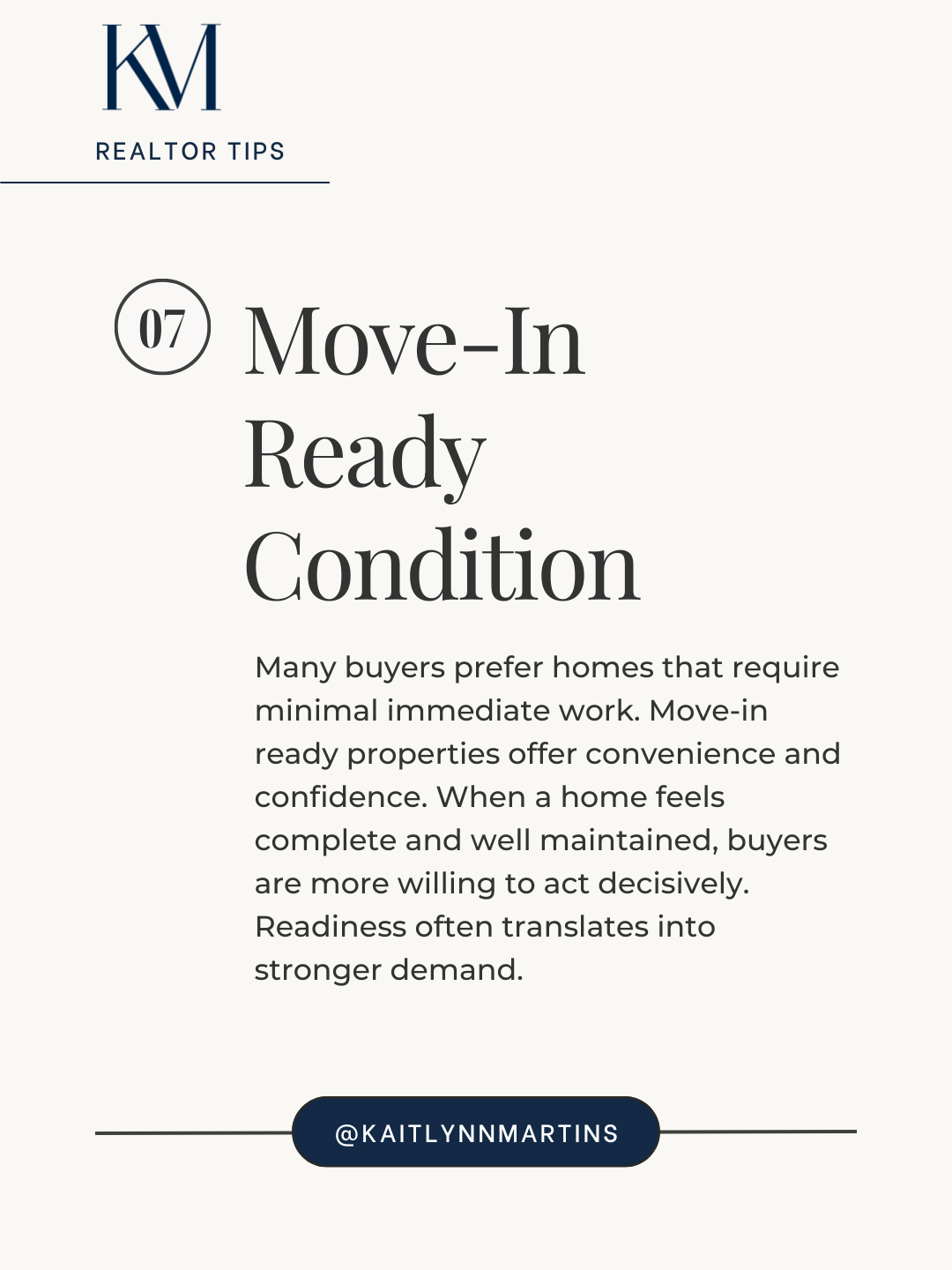
Meeting modern demand is about more than updating a property; it is about understanding the evolving expectations of buyers and responding with insight, strategy, and innovation. Homes that align with contemporary lifestyles, technology, sustainability, and adaptable design resonate with today’s market while maintaining long-term value.
For sellers, this means being proactive, intentional, and attuned to trends. For buyers, it means accessing properties that support both current needs and future aspirations. By embracing the art of meeting modern demand, real estate professionals and homeowners alike can create successful, informed, and rewarding transactions.




Comments:
Post Your Comment: