


Selling a home today is about more than just listing it online or putting a sign in the yard. To truly capture attention and generate interest, your home needs a marketing strategy that is intentional, visually compelling, and targeted. The Art of Marketing Your Home for Impact explores how professional presentation, strategic outreach, and thoughtful storytelling can transform a listing into a must-see property.
Presentation: Showcasing Your Home at Its Best
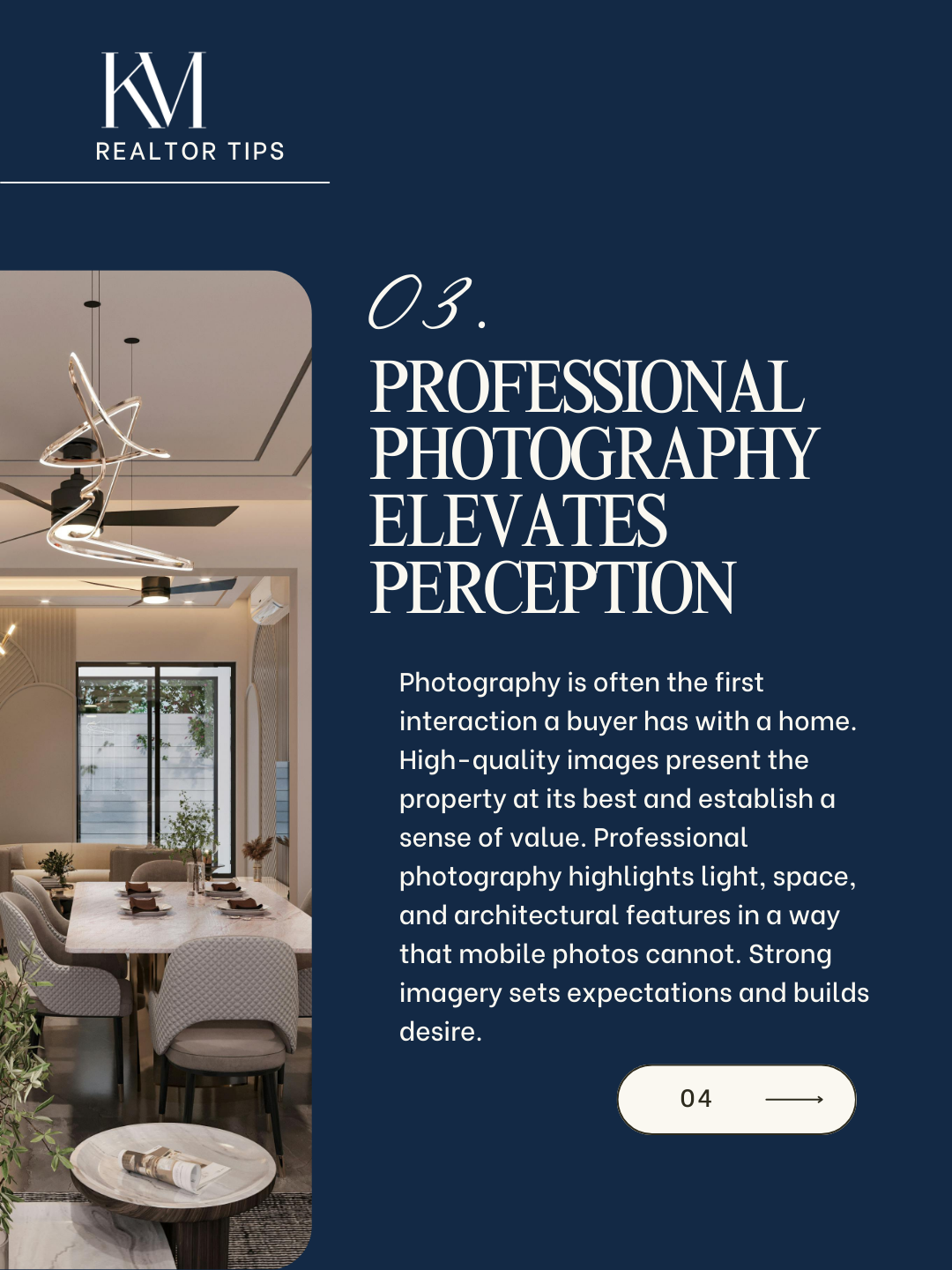
First impressions matter—whether online or in person. Presentation is the foundation of impactful marketing. This starts with professional photography that highlights the home’s best features: natural light, functional layouts, and unique architectural details. Videos, virtual tours, and even drone shots can provide buyers with an immersive experience that sets your listing apart.
Staging is another key element. A well-staged home allows buyers to envision themselves living there. Neutral tones, uncluttered spaces, and strategic furniture placement create a welcoming environment that resonates with a wide audience. Even small touches—fresh flowers, tasteful decor, and well-lit spaces—can elevate a home from ordinary to unforgettable.
Strategic Outreach: Reaching the Right Buyers
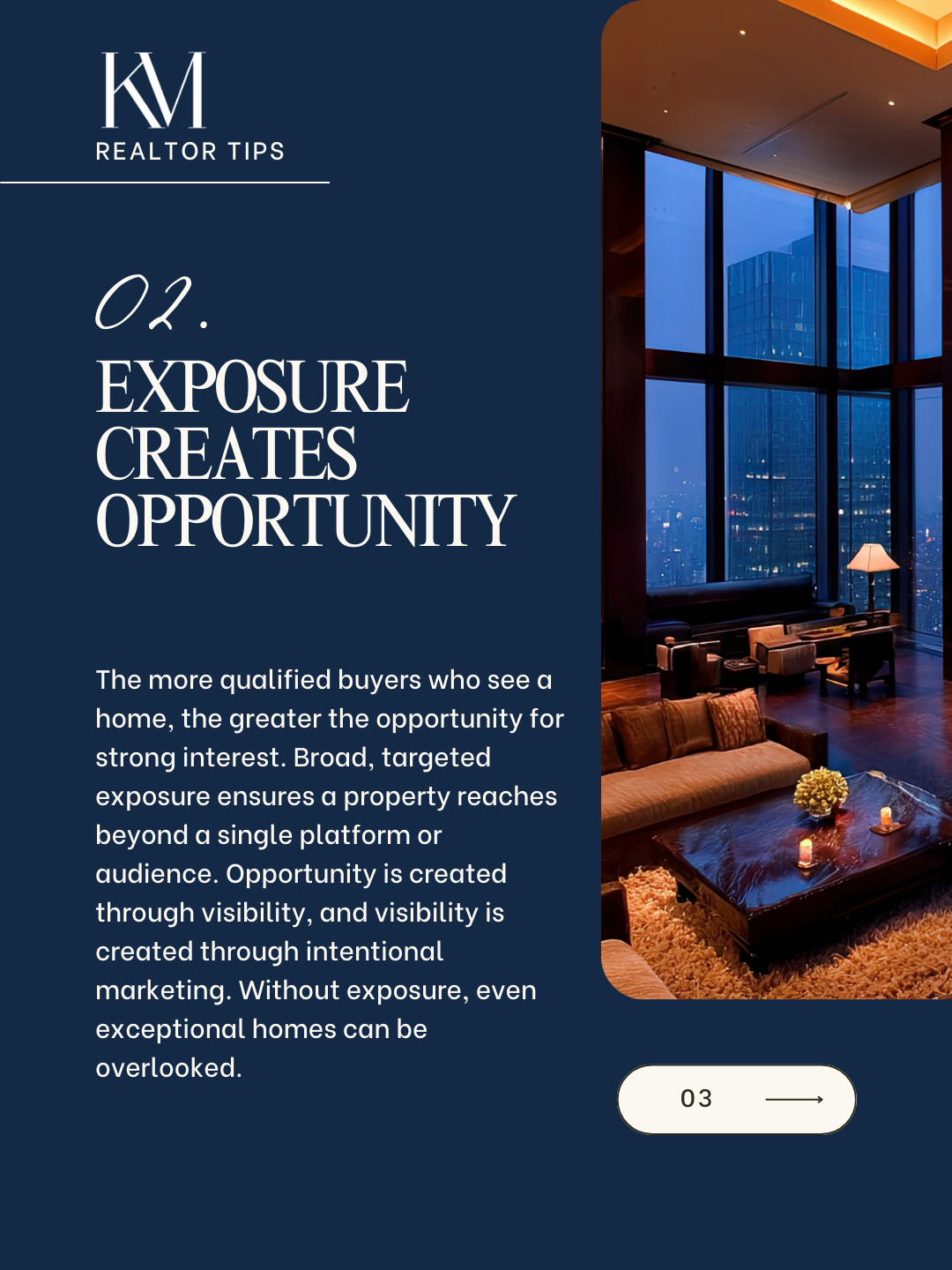
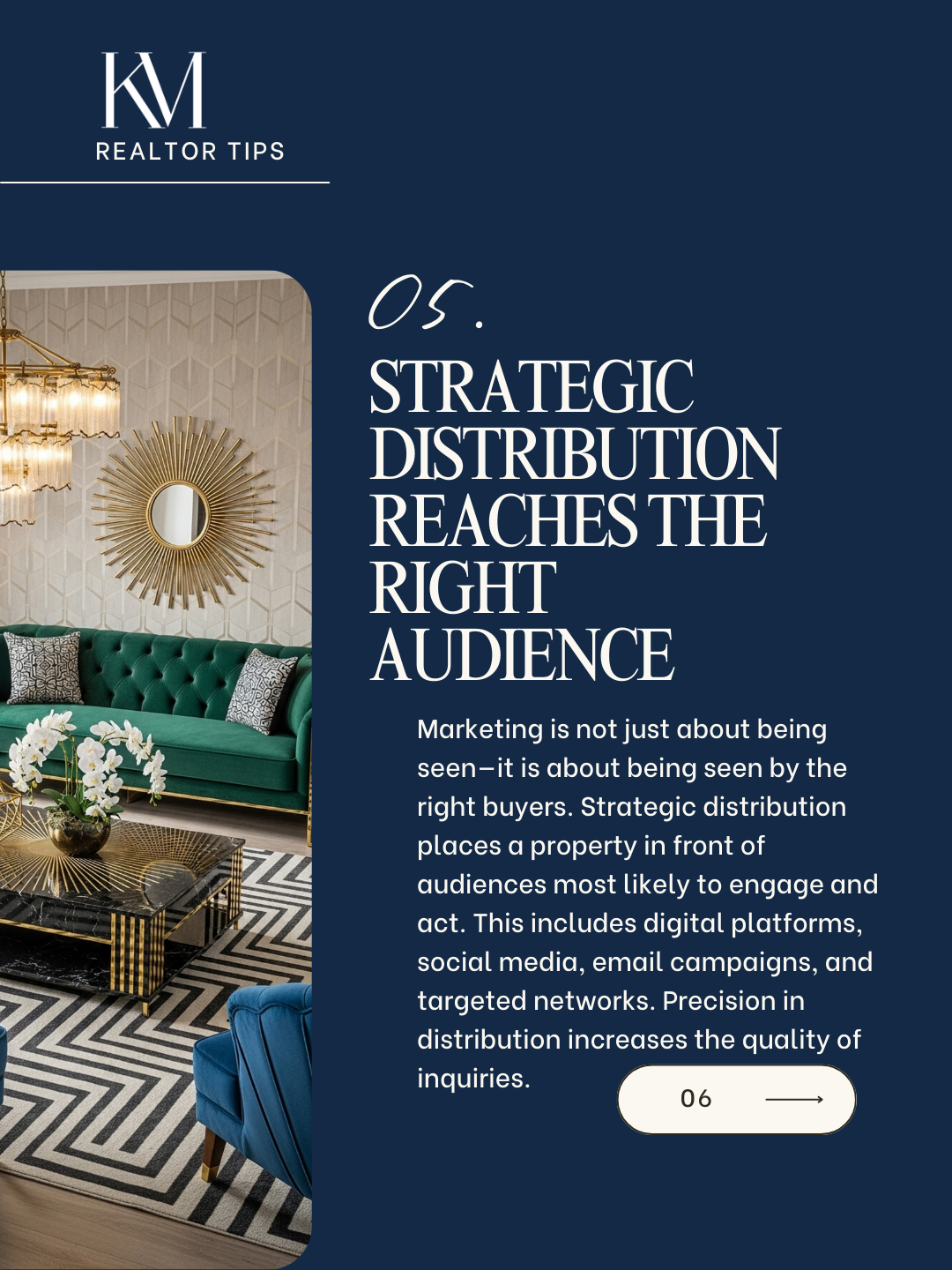
Marketing a home effectively is not just about visibility—it’s about reaching the right people. Targeted outreach ensures your property appears in front of serious buyers who are most likely to act. This can include email campaigns, social media advertising, and listing optimization on real estate platforms. Each channel plays a role in connecting with buyers where they are most active.
Understanding the local market is critical. Identifying which neighborhoods, demographics, and buyer types are most interested in your property allows your marketing to be both precise and persuasive. By leveraging data-driven strategies, sellers can position their homes to appeal to the right audience at the right time.
Storytelling: Creating Emotional Connection
At the heart of impactful marketing is storytelling. Buyers don’t just buy homes—they buy lifestyles. Marketing should highlight not just the features of a property, but the experiences it offers. Descriptions and visuals should paint a picture of life in the home: morning coffee in a sunlit kitchen, evenings spent on a cozy patio, or family gatherings in a spacious living area.
Storytelling also extends to online content and social media. Posts that combine images, videos, and narratives about the home create engagement and emotional resonance. The goal is for buyers to imagine themselves living there, forming a personal connection before they even step inside.
Timing and Market Positioning
Effective marketing also considers timing and positioning. Launching a listing strategically can generate more interest and even competition among buyers. Market trends, seasonal demand, and local events all play a role in maximizing exposure. Positioning your home competitively and highlighting its unique advantages helps it stand out in a crowded marketplace.
Working with an experienced real estate professional can further amplify results. Realtors bring expertise in pricing, presentation, and marketing channels that are proven to attract attention. Their guidance ensures your marketing plan is cohesive, professional, and impactful from start to finish.
Conclusion
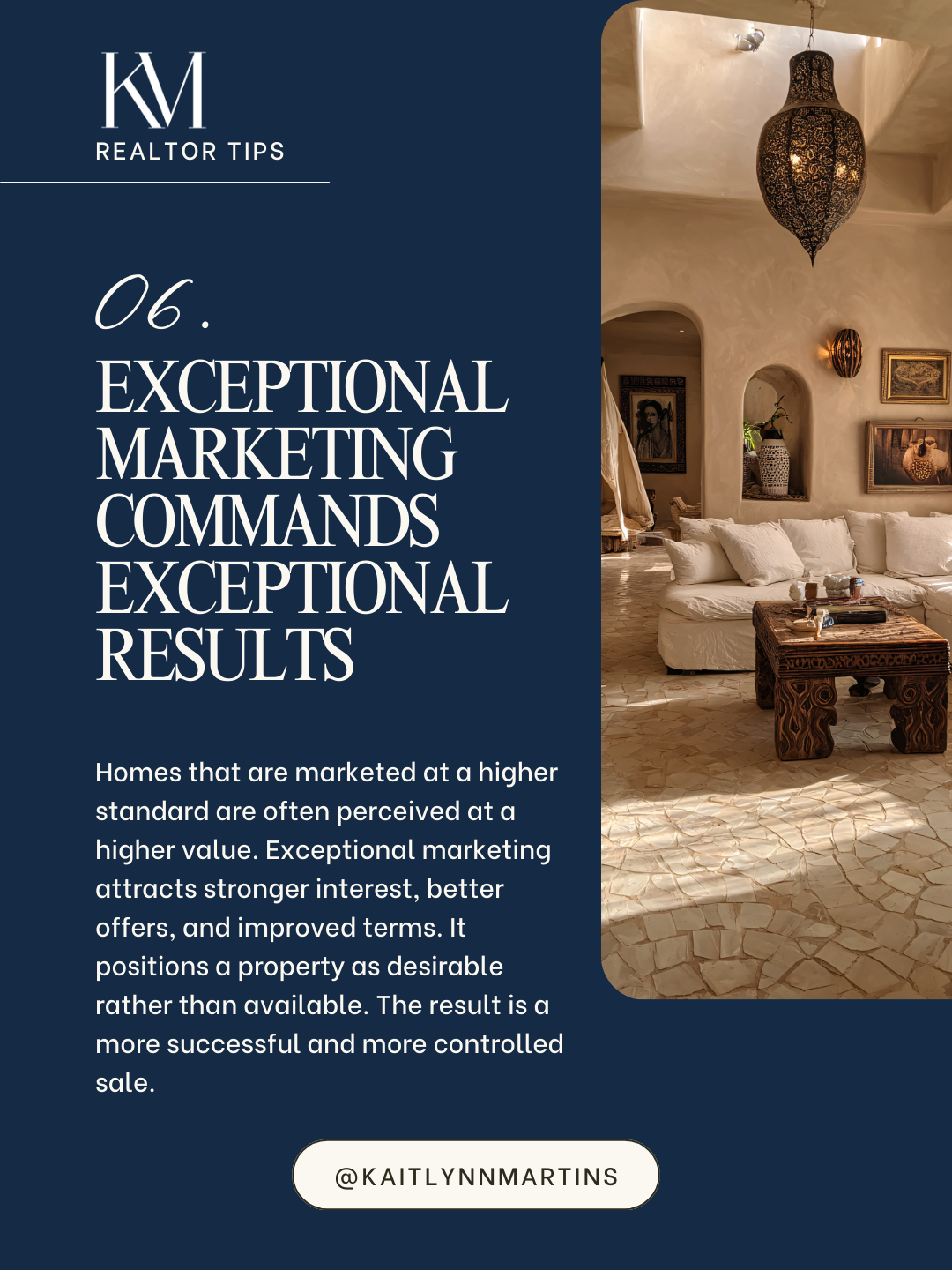
Marketing a home for impact requires more than photos and a listing—it’s a combination of strategy, creativity, and market knowledge. By focusing on professional presentation, targeted outreach, compelling storytelling, and strategic timing, sellers can elevate their property above the competition and capture the attention of the right buyers.
In today’s market, a home that is marketed effectively doesn’t just attract viewers—it leaves a lasting impression, creates emotional connection, and drives meaningful results. The art of marketing a home lies in the details, the strategy, and the ability to tell a story that buyers can see themselves living.



Comments:
Post Your Comment: