SIGNATURE INSIGHTS

Strategic perspectives on real estate, markets and modern living

RSS

The Art Of A Higher Standard

The Art Of A Higher Standard

In real estate, the difference between a satisfactory experience and an exceptional one often comes down to the standard of service behind it. A higher standard is not simply about closing transactions — it is about delivering expertise, foresight, and a level of care that transforms the process into a seamless and rewarding journey.

Whether buying or selling, clients deserve more than basic representation. They deserve guidance rooted in professionalism, strategy, and a deep understanding of the market.

What Defines a Higher Standard?

A higher standard begins with expertise. Real estate markets are constantly evolving, shaped by economic trends, interest rates, local inventory, and shifting buyer behaviour. Navigating these dynamics requires more than surface-level knowledge — it demands insight that allows clients to make informed and confident decisions.

From accurate pricing strategies to sophisticated marketing plans and skilled negotiations, elevated service ensures that every step is intentional rather than reactive.

Preparation, responsiveness, and attention to detail are not luxuries in this environment — they are expectations.

Personalized Guidance Matters

No two clients share the same goals, timelines, or definitions of success. A higher standard recognizes this and prioritizes a tailored approach over a transactional mindset.

For sellers, this may mean developing a customized positioning strategy that highlights a property’s strongest features while aligning with current market conditions. For buyers, it involves carefully understanding lifestyle needs, long-term objectives, and investment considerations before identifying the right opportunities.

When guidance is personalized, the experience becomes more efficient, less stressful, and ultimately more successful.

Elevated Marketing Creates Opportunity

Today’s buyers are more informed and selective than ever. Capturing their attention requires more than simply listing a property — it calls for thoughtful presentation and strategic exposure.

Professional photography, compelling digital marketing, targeted outreach, and strong listing narratives all contribute to how a home is perceived. First impressions are often formed online, and properties that stand out from the beginning are better positioned to generate meaningful interest.

Elevated marketing is not about excess; it is about intention. When executed effectively, it enhances perceived value and strengthens negotiating power.

Strategic Representation Makes the Difference

Behind every successful transaction is a clear strategy. Markets can shift quickly, competition can intensify without warning, and opportunities often require decisive action.

A higher standard of representation anticipates these changes rather than reacting to them. It means advising clients when to move forward confidently, when to exercise patience, and how to structure offers that align with both market realities and personal goals.

Strong representation also provides a steady, objective perspective during what can otherwise be an emotional process. With the right guidance, clients can remain focused on the bigger picture.

Communication Builds Trust

Transparency and consistent communication are foundational to elevated service. Clients should feel informed, supported, and confident at every stage — never uncertain about what comes next.

Clear expectations, proactive updates, and honest advice foster trust and create a smoother experience from start to finish. When challenges arise, as they sometimes do in complex transactions, open communication ensures they are addressed quickly and effectively.

A Long-Term Perspective

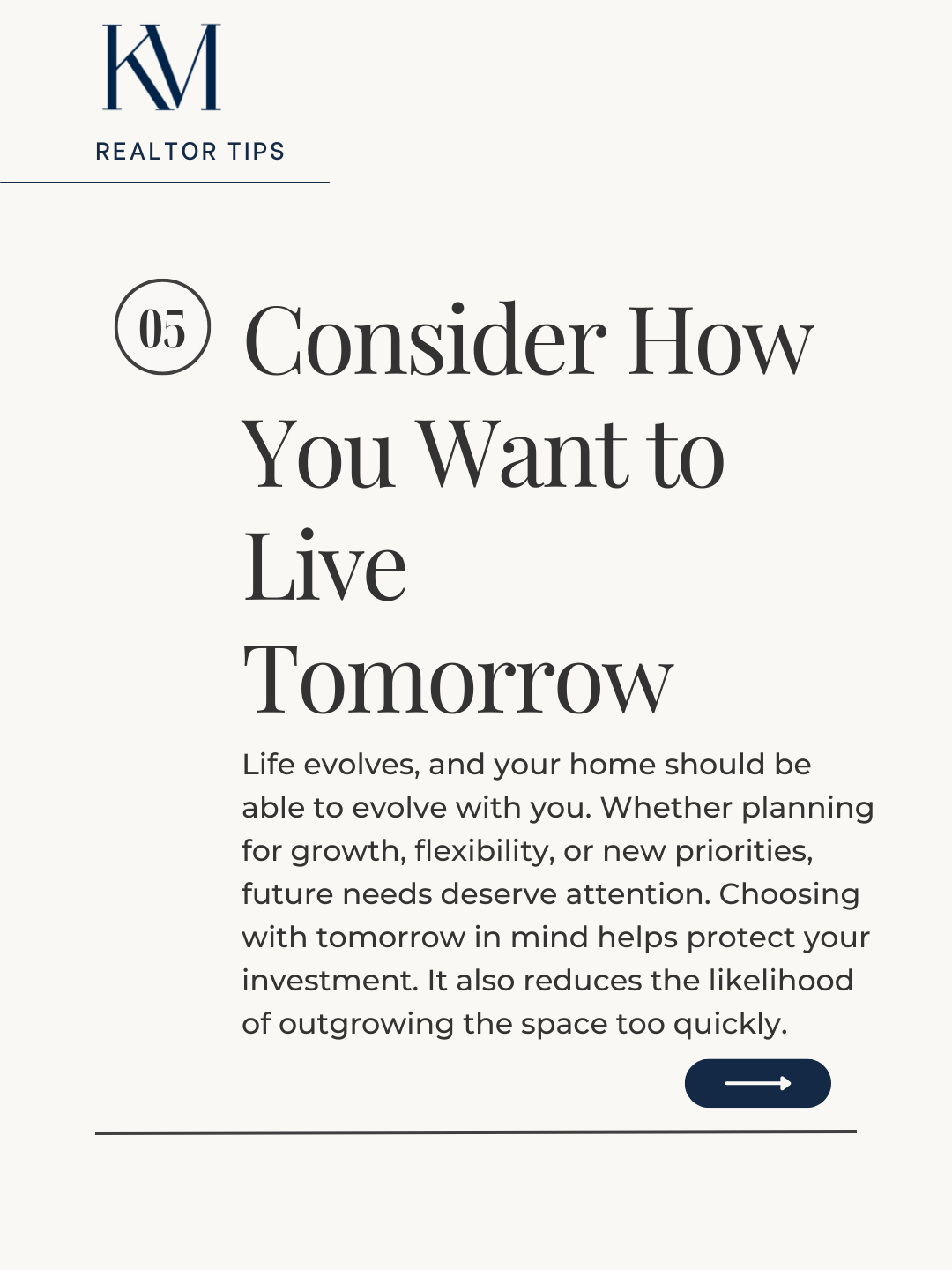
A higher standard extends beyond a single purchase or sale. Real estate decisions often influence financial wellbeing and lifestyle for years to come, making it essential to approach each transaction with a long-term view.

Advisors who prioritize lasting relationships over short-term gains help clients build strategies that support future growth, whether through property appreciation, portfolio expansion, or thoughtful timing.

This perspective transforms real estate from a one-time event into an ongoing partnership.

The Value of Elevated Service

Ultimately, a higher standard is about more than results — it is about the experience itself. It is the confidence that comes from knowing every detail has been considered, every opportunity explored, and every decision guided by expertise.

In a competitive and fast-moving market, elevated service is not simply an advantage; it is a necessity. Clients who choose a higher standard position themselves for stronger outcomes, smoother transactions, and a level of professionalism that reflects the significance of their investment.

Because exceptional real estate experiences are never accidental — they are built on a commitment to going above and beyond.

Read

The Art Of Expert Negotiations

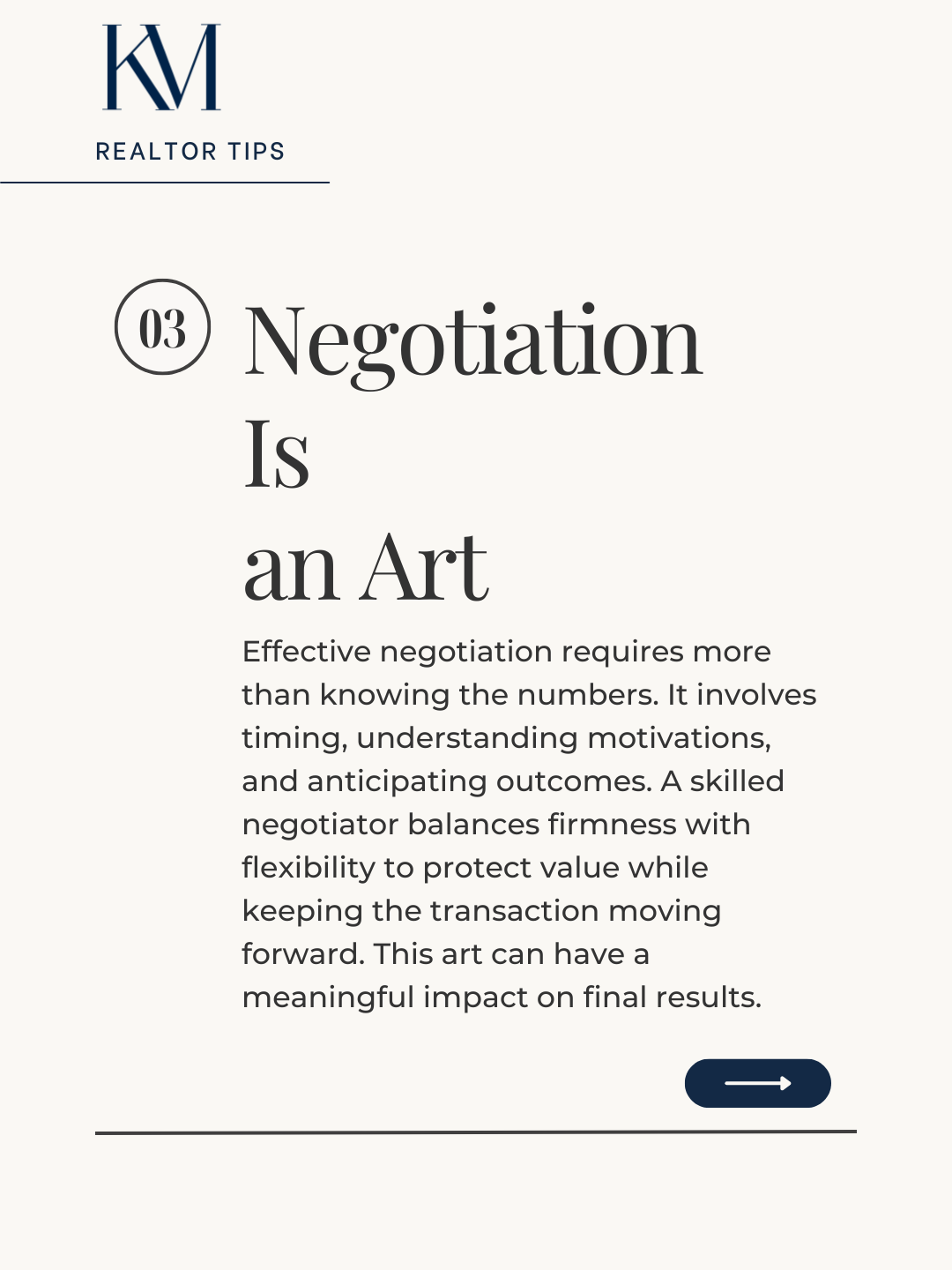
In real estate, negotiation is far more than a conversation about price — it is a strategic process that can significantly influence the outcome of a transaction. Whether buying or selling, expert negotiation ensures that your financial interests are protected while positioning you for the strongest possible result. In competitive markets especially, the difference between a good deal and a great one often comes down to the skill, preparation, and insight behind the negotiation strategy.

Preparation Creates Advantage

Successful negotiations begin long before an offer is presented. Preparation is one of the most powerful tools in any real estate transaction. Understanding current market conditions, comparable sales, inventory levels, and buyer demand provides the context needed to negotiate from a position of strength.

For sellers, preparation means pricing strategically and anticipating how buyers may respond. For buyers, it involves understanding property value, identifying leverage points, and establishing clear priorities before entering discussions. When both strategy and data guide the process, decisions become more confident and less reactive.

Strategy Over Emotion

Real estate transactions often carry emotional weight. Buyers may picture their future in a home, while sellers may have deep personal attachments to a property. However, strong negotiations rely on objectivity.

An experienced real estate professional acts as a strategic buffer, ensuring that emotions do not overshadow smart decision-making. By focusing on facts, market realities, and long-term goals, negotiations remain productive rather than personal.

This level-headed approach is particularly valuable in multiple-offer scenarios, where urgency can lead to rushed choices. A carefully structured offer — or counteroffer — can create opportunity without unnecessary risk.

Understanding Leverage

Every negotiation includes elements of leverage. Identifying them early can shape the entire strategy.

For example, a low-inventory market may favour sellers, giving them stronger negotiating power. Conversely, if properties are sitting longer or inventory is rising, buyers may gain more flexibility in terms, pricing, or conditions.

Leverage can also come from timing, financing strength, closing flexibility, or property condition. Knowing which factors matter most to the other party allows negotiations to move beyond price alone and toward mutually beneficial terms.

The Power of Communication

Clear, professional communication is often underestimated, yet it plays a central role in successful negotiations. How an offer is presented — and how responses are handled — can influence the tone of the entire transaction.

Respectful, solution-oriented dialogue helps maintain momentum and prevents unnecessary friction. Skilled negotiators know when to be firm, when to be flexible, and when creative problem-solving can bridge the gap between two positions.

In many cases, transactions succeed because both sides feel heard and understood.

Navigating Complexity With Confidence

Modern real estate agreements extend far beyond purchase price. Conditions, deposit structures, timelines, inclusions, repairs, and contingencies all contribute to the strength of an offer.

Expert negotiation carefully balances these components to reduce risk while maximizing value. For buyers, this may mean structuring terms that stand out without overextending. For sellers, it could involve evaluating the full picture of each offer rather than focusing on headline numbers alone.

A thoughtful approach ensures that the agreement supports both immediate goals and long-term financial wellbeing.

Timing Matters

Knowing when to act — and when to wait — is another hallmark of strong negotiation. Acting decisively can secure a rare opportunity, while patience may create space for better terms to emerge.

Market awareness is critical here. Seasonal patterns, interest rate shifts, and local supply trends can all influence negotiating power. With the right guidance, clients can move forward at moments that align with both market conditions and personal objectives.

Expertise That Delivers Results

At its core, expert negotiation is about advocacy. It is the confidence of knowing that every detail has been considered, every opportunity evaluated, and every decision aligned with your best interests.

In a landscape where conditions can shift quickly, professional representation provides clarity and direction. From the first offer to the final signatures, strategic negotiation transforms complexity into a seamless experience.

Because in real estate, success is rarely accidental — it is negotiated.

Read

The Art Of Pricing Your Home With Purpose

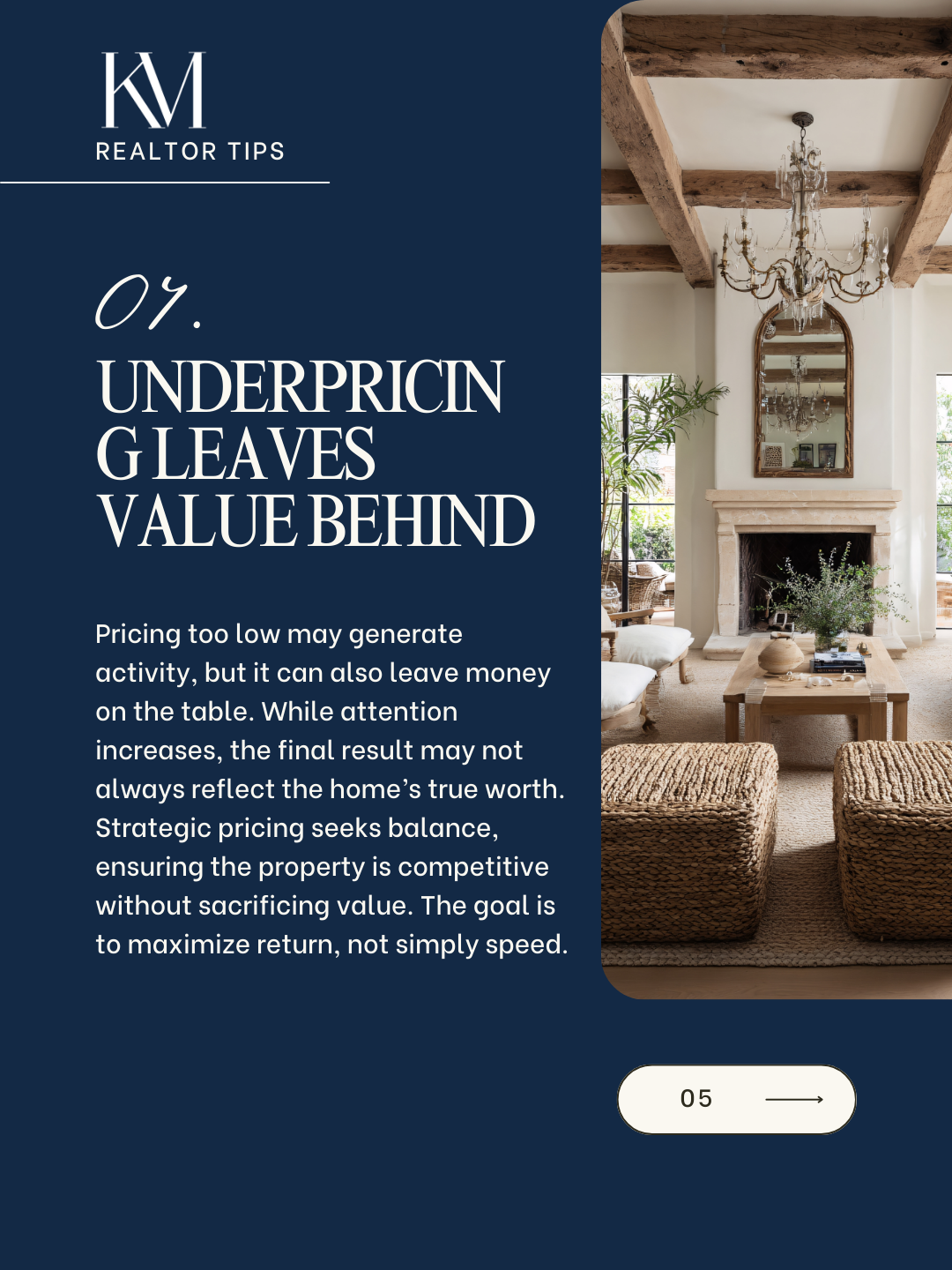
One of the most critical decisions when selling a home is determining the right price. Price it too high, and your property may linger on the market; price it too low, and you risk leaving money on the table. The Art of Pricing Your Home with Purpose explores how strategic pricing, market insight, and thoughtful positioning help sellers attract buyers, generate interest, and achieve the best results.

Understand Your Market

Pricing with purpose begins with understanding the local real estate market. Every neighborhood and property type behaves differently, and staying informed about current trends is essential. Comparable sales—homes similar in size, style, and location—provide a baseline for pricing, but it’s equally important to consider market conditions, seasonal demand, and buyer activity.

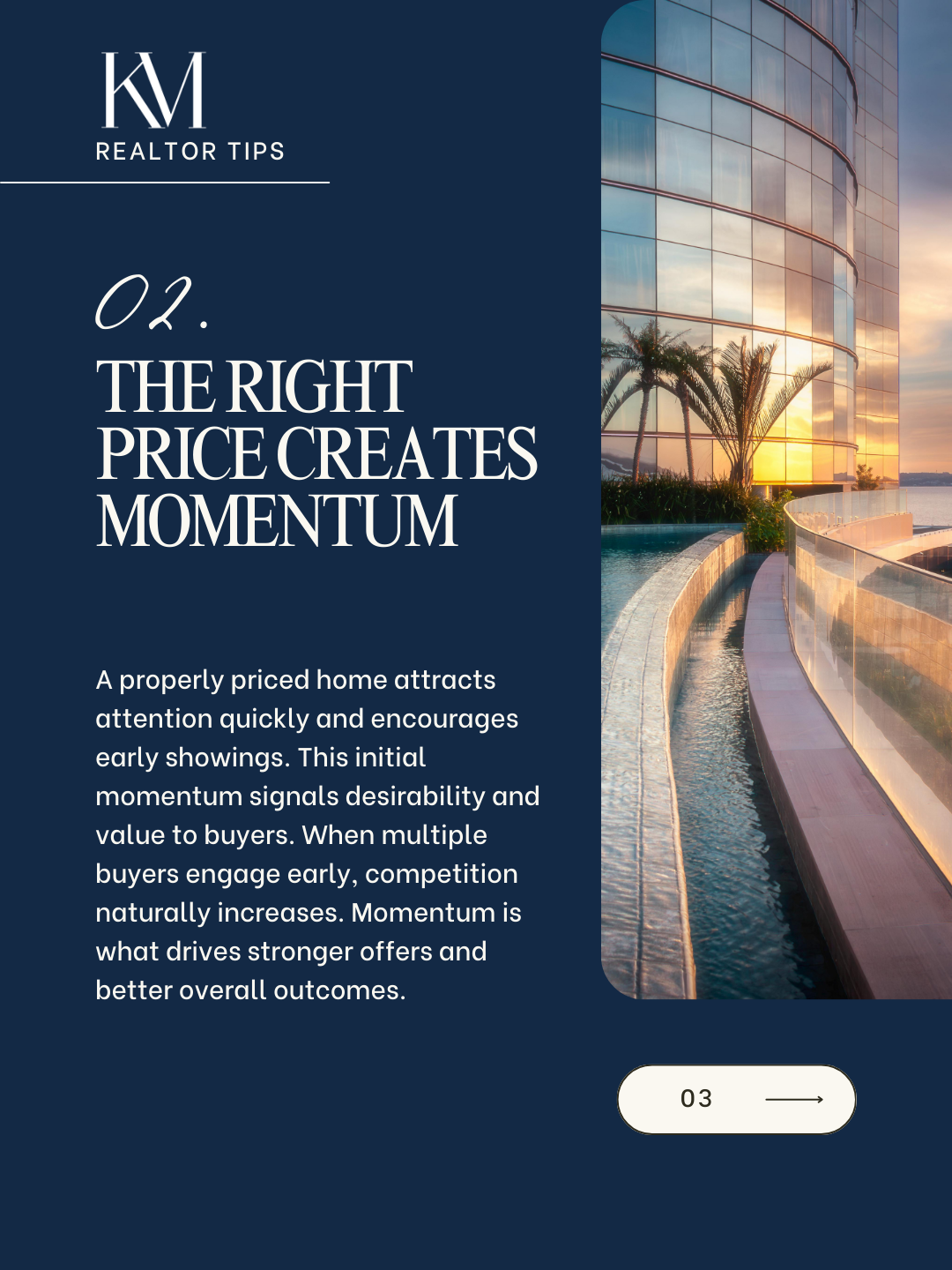
Analyzing these factors helps sellers set a price that is competitive, realistic, and appealing to potential buyers. A well-priced home generates early interest, often leading to multiple offers and a faster sale.

Consider the Buyer’s Perspective

Effective pricing is not just about numbers—it’s about perception. Buyers make quick judgments, and an appealing price signals value and fairness. Homes that are priced appropriately create a sense of urgency and attract serious buyers, while overpricing can discourage interest or cause buyers to wait for a price reduction.

Understanding your target buyer—whether first-time homeowners, investors, or families—can guide pricing decisions. Positioning your property in a price range that resonates with your ideal audience increases the likelihood of engagement and strong offers.

Align Price with Strategy

Pricing a home should always be part of a broader selling strategy. Are you aiming for a quick sale, or are you seeking the highest possible return? Do you want to generate multiple offers and create competition, or attract buyers steadily over time? Your pricing strategy will influence how buyers perceive the property and how quickly it sells.

Strategic pricing also includes considering market positioning. Highlighting unique features, upgrades, or prime location advantages can justify a higher price point, while homes with fewer differentiators may benefit from a more aggressive entry price.

Adjust with Data and Feedback

Even the best-laid pricing plan may need fine-tuning once the home is on the market. Monitoring buyer interest, showing activity, and feedback from open houses provides valuable insight. If inquiries are low or offers aren’t coming in, it may indicate that the price needs adjustment.

Flexibility is key. Purposeful pricing is not static—it evolves based on market response, competition, and timing. Sellers who remain attentive and responsive maximize their chances of a successful, profitable sale.

Work with Experienced Professionals

Real estate professionals bring market expertise, negotiation skills, and insight into pricing trends. Working with a knowledgeable agent ensures your home is positioned correctly from the start, avoiding common pitfalls and leveraging opportunities. Their guidance can help balance market data with buyer psychology to set a price that attracts attention and delivers results.

Conclusion

Pricing a home with purpose is both an art and a science. It requires understanding the market, considering the buyer’s perspective, aligning price with strategy, and remaining flexible based on feedback and results.

A well-priced home not only attracts attention but also builds confidence with buyers, generates interest, and increases the likelihood of a successful sale. By approaching pricing intentionally, sellers position their property for maximum impact—ensuring it sells efficiently and achieves the best possible outcome.

Read

The Art Of Buying With Confidence

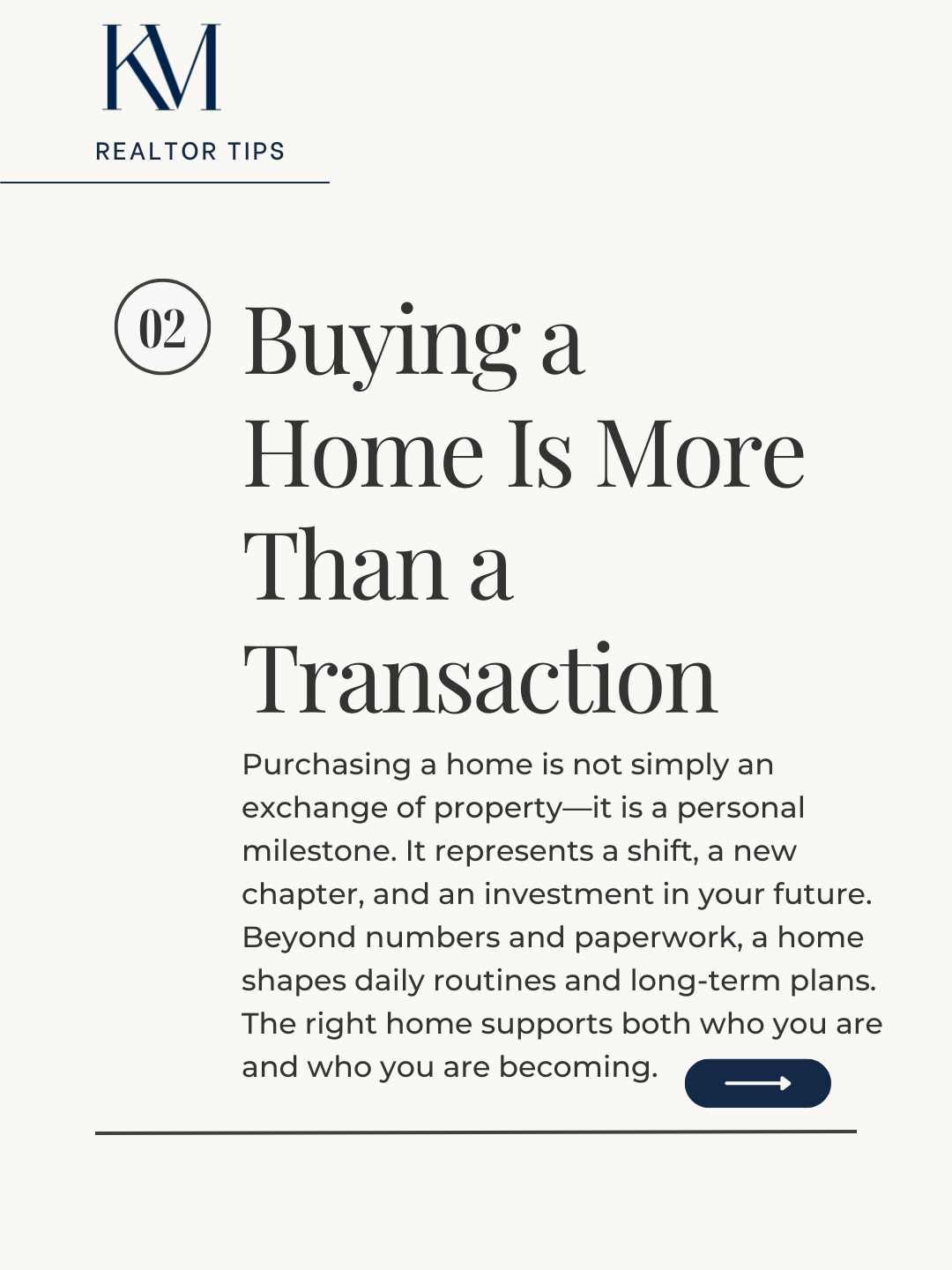
Buying a home is one of the most significant decisions many people will make in their lives. It’s exciting, emotional, and sometimes overwhelming. The key to a smooth, successful experience lies in buying with confidence—approaching the process informed, prepared, and guided by the right expertise. The Art of Buying With Confidence explores how knowledge, strategy, and support empower buyers to make informed decisions and find the home that’s truly right for them.

Start with a Clear Vision

Confidence begins with clarity. Before stepping into the market, it’s essential to understand what you’re looking for in a home. Consider factors such as location, size, lifestyle needs, budget, and long-term goals. Knowing your priorities allows you to focus on properties that genuinely meet your criteria and avoids wasting time on homes that don’t align with your vision.

It’s also helpful to identify your “must-haves” versus “nice-to-haves.” For example, proximity to schools or public transit might be non-negotiable, while a home office or extra storage could be flexible. This clarity gives you confidence in your decisions and helps streamline the search process.

Do Your Research

Knowledge is power when buying a home. Understanding market trends, property values, and neighborhood dynamics equips buyers with the information needed to make smart choices. Research comparable sales, upcoming developments, and community amenities to gain insight into both current and future value.

Being informed also means understanding the buying process itself—from making offers and negotiations to inspections, financing, and closing procedures. Familiarity with these steps reduces uncertainty and ensures you feel confident every step of the way.

Work with the Right Guidance

Even the most informed buyers benefit from expert guidance. A knowledgeable real estate professional acts as a trusted advisor, helping you navigate listings, evaluate properties, and negotiate effectively. Their experience ensures you’re making decisions based on both market insight and your personal goals.

Having professional support also provides peace of mind. When questions arise—whether about contracts, inspections, or financing—you’ll have a resource to guide you, preventing costly mistakes and boosting your confidence throughout the process.

Be Financially Prepared

Confidence in home buying is also tied to financial readiness. Knowing your budget, mortgage options, and pre-approval status allows you to act quickly when the right property comes along. Financial preparation reduces stress, empowers you to make competitive offers, and helps you understand the long-term affordability of a home.

It’s also important to plan for additional costs, such as closing fees, property taxes, and potential renovations. Being aware of the full financial picture ensures you can make decisions confidently without surprises down the line.

Trust Your Instincts and Take Your Time

While information and guidance are critical, buying with confidence also involves trusting your instincts. If a home feels right—or wrong—it’s important to acknowledge those feelings. Combining objective data with personal intuition ensures that your decision aligns with both practical and emotional needs.

At the same time, avoid rushing the process. Confident buyers take the time to tour properties, review documents, and ask questions. Careful evaluation reduces regret and ensures you’re making a well-considered choice.

Conclusion

Buying a home is a complex journey, but approaching it with confidence makes all the difference. By defining your vision, researching the market, seeking expert guidance, and being financially prepared, you empower yourself to make informed, strategic decisions.

Confidence in home buying isn’t about knowing everything—it’s about preparation, clarity, and trusting the right process. With these tools, buyers can navigate the market with assurance, find a home that fits their needs, and turn the dream of homeownership into reality.

Read

The Art Of Preparing A Home For The Market

Selling a home is about more than just putting it on the market—it’s about presenting it in a way that attracts buyers and maximizes value. The Art of Preparing a Home for the Market explores how strategic preparation, thoughtful staging, and attention to detail can transform a property, creating a strong first impression and increasing the likelihood of a successful sale.

Start with a Clean Slate

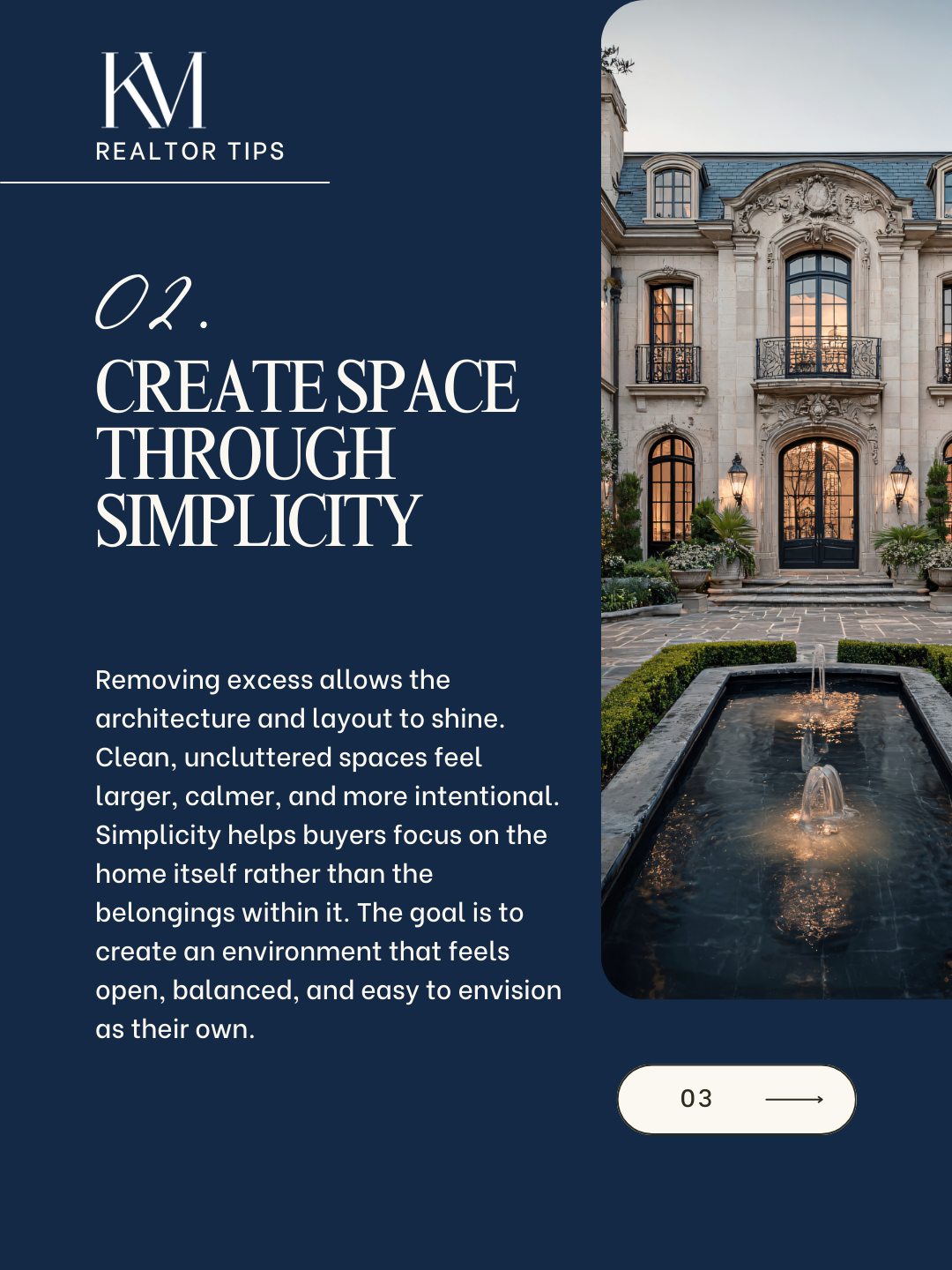
Before any listing goes live, it’s essential to ensure the home is clean, organized, and clutter-free. A clean home immediately signals care and attention, allowing buyers to focus on the property itself rather than distractions. Deep cleaning—everything from carpets and windows to kitchens and bathrooms—sets the stage for a polished presentation.

Decluttering is equally important. Personal items, excess furniture, and knick-knacks can make spaces feel smaller and distract buyers from seeing the home’s full potential. The goal is to create an inviting, neutral environment where buyers can envision their own belongings and lifestyle.

Make Strategic Repairs and Upgrades

Homes that are well-maintained attract more attention and often sell faster. Take time to address minor repairs such as leaky faucets, chipped paint, or squeaky doors. While small fixes may seem insignificant, they contribute to the overall impression of the property’s condition and care.

Strategic upgrades can also increase perceived value. Simple improvements like fresh paint, modern light fixtures, updated hardware, or new landscaping can make a home feel fresh and move-in ready. Investing in these enhancements often pays off in stronger offers and quicker sales.

Staging to Highlight Potential

Staging is an art that helps buyers imagine themselves living in the home. Thoughtful furniture placement, neutral color schemes, and open, uncluttered spaces allow rooms to feel larger and more functional. Even small touches like fresh flowers, cozy throw blankets, and tasteful décor can make a home feel welcoming and memorable.

Professional staging is a worthwhile consideration for homes in competitive markets or higher-end properties. A stager brings expertise in showcasing spaces in ways that appeal to the broadest possible audience, emphasizing strengths and downplaying any minor flaws.

Capture the Home in Its Best Light

High-quality photography and videography are critical in today’s digital-first real estate market. Most buyers start their search online, and compelling visuals are often the deciding factor in whether they schedule a showing. Professional photos, virtual tours, and short video walkthroughs provide an immersive experience, highlighting the home’s best features and unique selling points.

Timing and lighting during photography matter. Shooting during daylight, using natural light to enhance spaces, and staging key areas like kitchens, living rooms, and master suites ensure that the property shines in every image.

Highlight Curb Appeal

First impressions start at the curb. Landscaping, clean entryways, and well-maintained exterior details set the tone for the buyer’s experience before they even step inside. Small enhancements—like planting flowers, painting the front door, or power-washing walkways—can make a significant impact.

Curb appeal signals pride of ownership and invites buyers to explore the home further, creating a positive emotional response that carries through the entire showing.

Conclusion

Preparing a home for the market is a strategic process that combines cleaning, repairs, staging, and presentation. Every detail matters—from decluttering and minor repairs to professional photography and curb appeal.

By investing time and effort in preparation, sellers increase their chances of attracting the right buyers, creating strong offers, and achieving a successful sale. The art of preparation lies in making the home feel move-in ready, appealing, and memorable—a space buyers can envision themselves calling home.

Read

The Art Of Launching With Intentions

Selling a home isn’t just about listing it on the market—it’s about launching it with intention. In today’s competitive real estate landscape, the way a property is introduced can make all the difference between lingering on the market and attracting multiple qualified buyers. The Art of Launching With Intention explores how planning, presentation, and strategic marketing combine to create a launch that generates attention, engagement, and results.

Start with a Clear Goal

Every successful home launch begins with a clear objective. Are you aiming to attract serious buyers quickly, generate multiple offers, or position the property as a premium listing? Knowing your goals guides every decision, from staging and pricing to marketing channels and open house strategies.

Defining measurable outcomes is also key. For example, tracking inquiries, showings, and offer activity helps you evaluate whether your launch strategy is working and allows you to make adjustments in real time. A goal-oriented approach ensures that every step of your launch is purposeful, not just reactive.

Plan Strategically

An intentional home launch requires strategic planning. This includes identifying the ideal buyer demographic, crafting a compelling listing description, and determining the best timing for exposure. Every element of your marketing plan should highlight the property’s unique selling points—from natural light and functional layouts to modern upgrades and neighborhood amenities.

Timing is critical in real estate. Launching a listing when buyer demand is high, or coordinating it with local market trends, can generate increased interest and potentially multiple offers. A well-thought-out timeline also ensures that pre-launch preparations like photography, staging, and inspections are completed seamlessly.

Build Anticipation

Creating anticipation is one of the most powerful tools in a home launch. Pre-marketing strategies—such as teaser posts on social media, email alerts to buyer lists, and sneak-peek photos or videos—can spark curiosity before the home officially hits the market.

Storytelling is an effective way to engage potential buyers. Highlight what makes the property unique: morning sunlight in the kitchen, spacious entertaining areas, or proximity to parks and schools. By helping buyers imagine themselves living in the space, you build an emotional connection that motivates action.

Execute with Precision

On launch day, every detail counts. Professional photography, virtual tours, and a polished listing description create a first impression that draws buyers in. Ensure that the property is presented at its absolute best—clean, staged, and ready to show.

Consistency across all marketing channels is essential. From online listings and social media posts to email campaigns and open house signage, your messaging should be cohesive, professional, and aligned with the property’s value. Responding promptly to inquiries and scheduling showings efficiently also demonstrates professionalism and keeps buyer interest high.

Monitor and Adjust

An intentional launch doesn’t stop at listing. Monitor interest, track feedback from showings, and adjust strategies if needed. Perhaps new photos are required, pricing needs a minor adjustment, or a fresh marketing push could reignite interest. Being attentive and responsive maximizes the property’s exposure and increases the likelihood of a successful sale.
Conclusion

Launching a home with intention is about more than putting a sign in the yard—it’s a strategic, thoughtful process that combines goal-setting, planning, anticipation, and precision execution. By approaching a home launch as a carefully crafted experience, sellers can attract the right buyers, create emotional engagement, and achieve results faster and more efficiently.

In real estate, intention matters. A well-planned launch positions a property to stand out, generate attention, and ultimately secure the best possible outcome for sellers.

Read

The Art Of Marketing Your Home For Impact

Selling a home today is about more than just listing it online or putting a sign in the yard. To truly capture attention and generate interest, your home needs a marketing strategy that is intentional, visually compelling, and targeted. The Art of Marketing Your Home for Impact explores how professional presentation, strategic outreach, and thoughtful storytelling can transform a listing into a must-see property.

Presentation: Showcasing Your Home at Its Best

First impressions matter—whether online or in person. Presentation is the foundation of impactful marketing. This starts with professional photography that highlights the home’s best features: natural light, functional layouts, and unique architectural details. Videos, virtual tours, and even drone shots can provide buyers with an immersive experience that sets your listing apart.

Staging is another key element. A well-staged home allows buyers to envision themselves living there. Neutral tones, uncluttered spaces, and strategic furniture placement create a welcoming environment that resonates with a wide audience. Even small touches—fresh flowers, tasteful decor, and well-lit spaces—can elevate a home from ordinary to unforgettable.

Strategic Outreach: Reaching the Right Buyers

Marketing a home effectively is not just about visibility—it’s about reaching the right people. Targeted outreach ensures your property appears in front of serious buyers who are most likely to act. This can include email campaigns, social media advertising, and listing optimization on real estate platforms. Each channel plays a role in connecting with buyers where they are most active.

Understanding the local market is critical. Identifying which neighborhoods, demographics, and buyer types are most interested in your property allows your marketing to be both precise and persuasive. By leveraging data-driven strategies, sellers can position their homes to appeal to the right audience at the right time.

Storytelling: Creating Emotional Connection

At the heart of impactful marketing is storytelling. Buyers don’t just buy homes—they buy lifestyles. Marketing should highlight not just the features of a property, but the experiences it offers. Descriptions and visuals should paint a picture of life in the home: morning coffee in a sunlit kitchen, evenings spent on a cozy patio, or family gatherings in a spacious living area.

Storytelling also extends to online content and social media. Posts that combine images, videos, and narratives about the home create engagement and emotional resonance. The goal is for buyers to imagine themselves living there, forming a personal connection before they even step inside.

Timing and Market Positioning

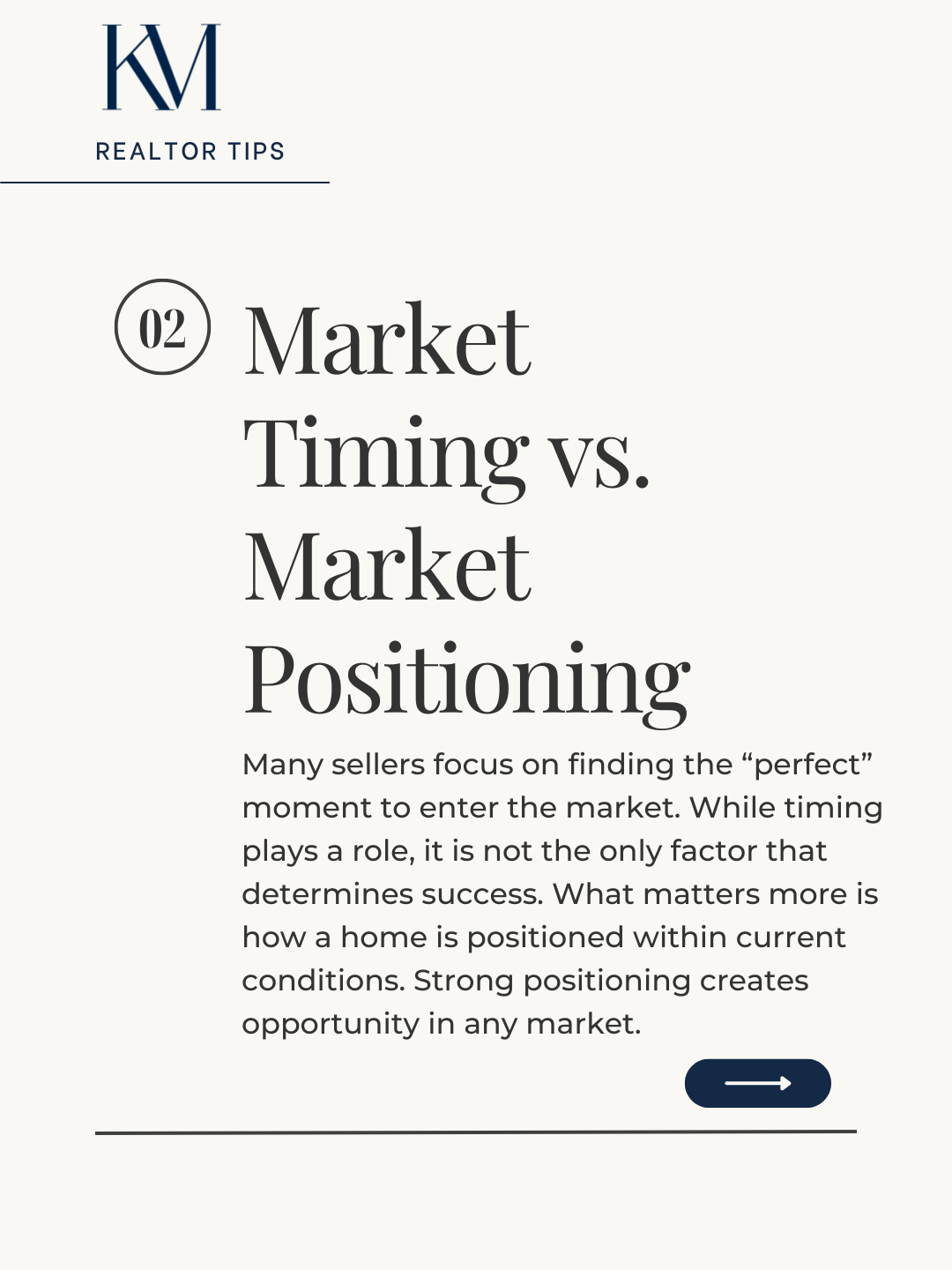
Effective marketing also considers timing and positioning. Launching a listing strategically can generate more interest and even competition among buyers. Market trends, seasonal demand, and local events all play a role in maximizing exposure. Positioning your home competitively and highlighting its unique advantages helps it stand out in a crowded marketplace.

Working with an experienced real estate professional can further amplify results. Realtors bring expertise in pricing, presentation, and marketing channels that are proven to attract attention. Their guidance ensures your marketing plan is cohesive, professional, and impactful from start to finish.

Conclusion

Marketing a home for impact requires more than photos and a listing—it’s a combination of strategy, creativity, and market knowledge. By focusing on professional presentation, targeted outreach, compelling storytelling, and strategic timing, sellers can elevate their property above the competition and capture the attention of the right buyers.

In today’s market, a home that is marketed effectively doesn’t just attract viewers—it leaves a lasting impression, creates emotional connection, and drives meaningful results. The art of marketing a home lies in the details, the strategy, and the ability to tell a story that buyers can see themselves living.

Read

The Art Of Winning A Buyer’s Attention

In a competitive market, capturing buyer attention takes more than a listing. This blog explores how presentation, pricing, and positioning work together to create interest, emotional connection, and results. Selling a home isn’t just about putting a sign in the yard or posting photos online—it’s about creating an experience that makes potential buyers stop, engage, and envision themselves living in the space.

Presentation: First Impressions Matter

The first step in winning a buyer’s attention is presentation. A well-presented property speaks volumes before a buyer even steps inside. Curb appeal, clean and organized interiors, and professional photography are essential. Buyers make quick judgments, often in seconds, so ensuring that a home looks inviting, functional, and move-in ready is critical.

Staging is another powerful tool in presentation. Thoughtful furniture placement, neutral color palettes, and decluttered spaces allow buyers to imagine their own life in the home. Even small touches—like fresh flowers or strategically placed lighting—can elevate a space and make it memorable.

Professional photography and videography are equally important. In today’s digital world, most buyers first encounter a home online. High-quality images, virtual tours, and short video walkthroughs can capture attention and create the desire to visit in person. This is where first impressions meet lasting impact.

Pricing: Position Your Home for Maximum Interest

Presentation may attract attention, but pricing keeps it. A home priced appropriately for its market signals value and generates genuine interest. Overpricing can deter buyers, leaving a property stagnant on the market, while underpricing can create unnecessary financial loss and raise questions about the property’s condition.

A strategic pricing approach considers not just comparable sales, but market trends, buyer demand, and timing. Sometimes, slightly underpricing a property can create competition and multiple offers, which ultimately drives the best results. Transparency in pricing also builds trust with buyers and positions the property as a serious, competitive option.

Positioning: Stand Out in a Crowded Market

Beyond presentation and pricing, positioning your home effectively is key to capturing attention. Positioning is about telling the home’s story in a way that resonates with buyers. What makes this property unique? Is it the location, architectural details, or lifestyle it offers? Highlighting these aspects through listing descriptions, marketing materials, and social media content ensures that buyers understand not just the home itself, but the experience of living there.

Digital marketing plays a vital role in positioning. Targeted ads, social media posts, and search engine optimization help ensure your listing reaches the right buyers at the right time. Email campaigns and virtual tours provide additional touchpoints for engagement, making your property more visible and top-of-mind.

Additionally, working with an experienced real estate professional can elevate positioning. Realtors bring market insight, negotiation skills, and access to networks that ensure your property is presented to buyers strategically, not just widely.

Creating Emotional Connection

Ultimately, winning a buyer’s attention is about creating an emotional connection. Buyers don’t just purchase properties—they invest in lifestyles and memories. When presentation, pricing, and positioning are thoughtfully aligned, buyers are more likely to envision themselves in the home, creating a sense of desire and urgency.

Small details make a big difference. Natural light, open spaces, and welcoming layouts evoke comfort and warmth. Descriptive marketing copy that highlights the experience of living in the home—morning coffee on the patio, dinners in the bright kitchen, family time in the cozy living room—helps buyers emotionally invest in the space before even stepping inside.

Conclusion

Capturing a buyer’s attention requires more than listing a home—it requires strategy, creativity, and insight into what drives interest. Presentation ensures a strong first impression, pricing positions the property competitively, and marketing and storytelling create a memorable, emotional connection.

By approaching home selling as an art, not just a transaction, sellers can stand out in a crowded market, attract the right buyers, and achieve the best results. In today’s real estate landscape, attention is earned, and a strategic approach ensures your property is seen, remembered, and ultimately chosen.

Read

The Art Of Making a Strong First Impression

In real estate, first impressions aren’t just important—they’re everything. Long before contracts are signed or keys are handed over, buyers and sellers are forming opinions. Within moments of walking into a home, visiting an open house, or meeting their agent for the first time, clients begin deciding whether they feel confident, comfortable, and understood.

In a market where trust and relationships drive success, mastering the art of a strong first impression can make all the difference.

First Impressions Start Before the Showing

In today’s digital world, a first impression often happens online. A property’s listing photos, description, and overall presentation set expectations before a buyer ever steps through the door. Professional photography, thoughtful staging, and a compelling listing narrative don’t just showcase a home—they tell its story.

The same goes for personal branding. A well-designed website, polished marketing materials, and consistent communication signal professionalism and attention to detail. Clients want to know they’re working with someone who is organized, proactive, and invested in excellence from the very beginning.

The Power of Preparation

When it comes to in-person interactions, preparation speaks volumes. Arriving early to a showing, ensuring the home is well-lit and welcoming, and having detailed knowledge about the property immediately builds credibility.

Buyers and sellers feel reassured when their agent anticipates questions and provides clear, confident answers. Preparation shows respect—for the client’s time, for the property, and for the process. It communicates, without saying a word, “You’re in capable hands.”

Body Language and Presence Matter

Real estate is deeply personal. Buying or selling a home is often tied to major life transitions—marriage, growing families, downsizing, career changes. Clients need to feel both supported and understood.

Simple nonverbal cues can make a lasting impact. A warm smile, steady eye contact, and an open posture help create immediate connection. Active listening—nodding, maintaining engagement, and responding thoughtfully—shows clients that their goals and concerns are genuinely being heard.

Confidence is equally important. Clients look to their agent for guidance. A calm, assured presence during negotiations or high-pressure situations helps instill trust and reduces anxiety. Confidence doesn’t mean being pushy; it means being steady, informed, and solutions-focused.

Creating a Memorable Property Experience

For sellers, the first impression buyers have of their home can significantly influence offers. That’s why details matter.

Curb appeal sets the tone before buyers even step inside. A tidy lawn, fresh landscaping, clean walkways, and a welcoming entryway can dramatically shape perception. Inside, decluttered spaces, neutral décor, and subtle touches—like soft lighting or fresh flowers—create an inviting atmosphere.

Buyers aren’t just evaluating square footage; they’re imagining their future. A well-presented home allows them to emotionally connect. That emotional connection often drives stronger offers and faster decisions.

Authenticity Builds Lasting Trust

While presentation and polish are essential, authenticity is what truly sets an agent apart. Clients can sense sincerity. Being genuine, transparent, and honest fosters long-term relationships that extend far beyond a single transaction.

In real estate, reputation travels quickly. A strong first impression built on authenticity leads to referrals, repeat business, and a trusted name within the community. When clients feel valued rather than “sold to,” they become advocates.

Communication Is Key

Timely responses, clear explanations, and proactive updates reinforce a positive first impression throughout the transaction. Real estate can feel overwhelming, especially for first-time buyers or sellers. Breaking down complex steps into manageable pieces helps clients feel informed and empowered.

Professionalism in communication—whether through email, phone calls, or in person—demonstrates reliability. Even small gestures, like following up after a showing or checking in after closing, leave a lasting mark.

The Lasting Impact of a Strong Start

In real estate, you rarely get a second chance to make a first impression. From the initial consultation to the final closing, every interaction shapes how clients perceive their experience.

A strong first impression isn’t about perfection. It’s about preparation, presence, professionalism, and authenticity. It’s about creating an experience where clients feel confident in their decisions and supported at every step.

When done thoughtfully, that first impression becomes the foundation for lasting relationships—and in real estate, relationships are everything.

Read

Latest Blog Posts

Sotheby’s International Realty Canada Expands into New Brunswick: A New Chapter in Atlantic Canadian Real Estate
Investment & Financial Articles

Sotheby’s International Realty Canada Expands into New Brunswick: A New Chapter in Atlantic Canadian Real Estate

Sotheby’s International Realty Canada expands into New Brunswick, bringing its global reach, elevated marketing, and local expertise ...

READ POST
Resort-Style Living in Vaughan’s Most Exclusive Enclave
Home & Design Inspiration

Resort-Style Living in Vaughan’s Most Exclusive Enclave

Discover a Vaughan estate where modern luxury, golf-course serenity, and thoughtful design converge. This exclusive residence offers ...

READ POST
7 Reasons Why Big White, British Columbia Should Be On Your Radar
Local Area & Lifestyle Features

7 Reasons Why Big White, British Columbia Should Be On Your Radar

Big White, BC, offers world-class skiing, stunning alpine scenery, and year-round outdoor adventure. Discover why this premier resort ...

READ POST
The Art Of The Selling Journey
The Smart Kit

The Art Of The Selling Journey

Selling a home is a process, not just a moment. This blog explores how careful planning, market insight, and strategic decision-making ...

READ POST
This website may only be used by consumers that have a bona fide interest in the purchase, sale, or lease of real estate of the type being offered via the website. The data relating to real estate on this website comes in part from the MLS® Reciprocity program of the PropTx MLS®. The data is deemed reliable but is not guaranteed to be accurate.